Handyman vs Appliance Repair: Which Trade Fits You?
Handyman starts faster with broader demand; appliance repair pays more per call and builds a deeper moat. The rates, the skill paths, and the license lines compared.
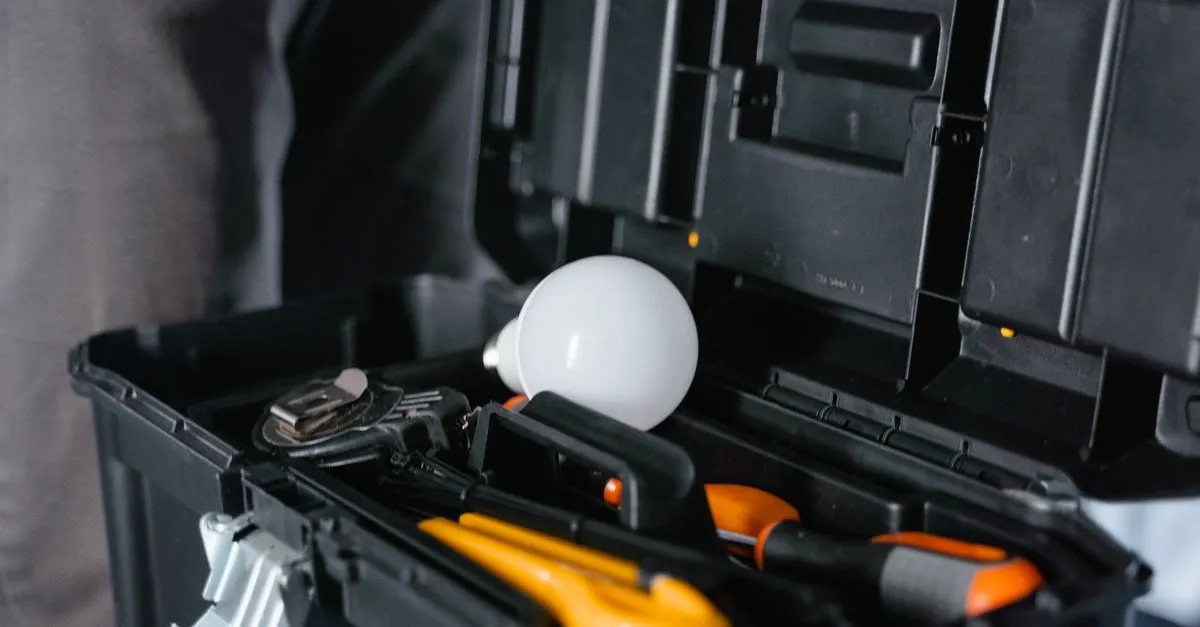
Handyman work starts faster: you can be taking small jobs in weeks with a $200 to $500 toolkit and whatever competence you already have. Appliance repair pays better per call, $75 to $125 diagnostics and completed repairs that most often run $108 to $251, but it demands a real diagnostic craft that operators commonly train six months in a shop before going solo. Neither is a shortcut. One sells breadth, the other sells depth, and the fit question is whether you would rather be a generalist with a calendar or a specialist with a parts inventory. The full version of the first is the handyman course. The full version of the second is the appliance repair course.
The work itself
A handyman business is the small-jobs stack: the drywall patch, the faucet swap, the ceiling fan, the door that will not close, the TV nobody's partner trusts on a drywall anchor. Contractors do not want these jobs because their crews and overhead only make sense on bigger work, and homeowners with a punch list of ten small things have nowhere good to take it. That gap is the whole business.
Appliance repair is diagnostic work on washers, dryers, refrigerators, ranges, and dishwashers in customers' homes, and it lives or dies on two skills: figuring out what is broken without a second visit you do not get paid for, and getting the right part. The course is blunt that this is a craft you build before you charge for it, with three roads operators actually took to get competent.
The temperamental difference matters more than people expect. Handyman work rewards someone who likes variety, tolerates quoting twenty different job types, and can hold a pleasant conversation in a stranger's kitchen. Appliance repair rewards someone who likes puzzles, tolerates ordering parts at 9 p.m., and can accept that a misdiagnosis costs them money, not the customer.
The money
Handyman rates: self-employed operators bill $50 to $80 an hour, with corporate services running $75 to $125 and Angi's pricing data spanning $50 to $150. Flat-rate jobs typically run $150 to $600, with typical visits averaging around $399 in Minneapolis and $459 in Philadelphia. The catch is the billable-share reality the course teaches plainly: a 40-hour week only contains about 20 billable ones once quoting, supply runs, and driving are counted. "While-you're-here" add-ons are the classic ticket-sweller; treat the 30 to 50 percent figure as a planning band rather than a measurement.
Appliance rates: diagnostic fees run $75 to $125, the national average completed repair is about $179, and field labor averages roughly $54 an hour. The employed benchmark, a median of $47,170 a year for appliance technicians, is the floor of the learning years; an owner running their own route bills the service-call numbers instead.
Per hour of field time, appliance repair out-earns handyman work at the median. Per week of a generalist's packed calendar, the totals converge, which is why both courses spend more time on pricing discipline and route efficiency than on rate tables.
Skill path and time to revenue
Handyman: weeks to first revenue if you already have working competence, and the course's fit-check lesson helps you audit that honestly. There is no school; there is a vehicle, tools, and a phone.
Appliance repair: also weeks to set up, months to be good. Operators commonly train about six months at a shop before going solo, by forum consensus, and the best-known structured course, Master Samurai Tech's core program, runs about $850. The EPA 608 Type I certification for small-appliance refrigerant work is an open-book online test at about $25, cheap and required if you will touch sealed systems.
Startup cost
Handyman fits the under-$1,000 budget the course designs around: a basic toolkit runs $200 to $500, a fuller kit $500 to $2,500, and general liability about $50 to $80 a month. From-scratch guides quote $3,000 to $10,000 all-in for people buying everything new, which is the number the course exists to beat.
Appliance repair is lean-start capable under $1,000 if you already have a vehicle, with diagnostic tools and parts bought per job. Full-guide estimates run $2,500 to $8,500 for tools and equipment when you outfit like a shop, so the lean start is a design choice, not a market fact.
The license lines
Handyman law is state-specific and occasionally brutal. California's handyperson exemption, raised by AB 2622 effective January 2025, caps unlicensed work at $1,000 combined labor and materials, and only for casual, minor jobs that require no building permit and no hired help; one operator's story of being cited by the licensing board for quoting a job over the line is in the course's failure-modes lesson. Your state's number is a lookup, not a guess.
Appliance repair's lines are federal and local: EPA 608 for refrigerant, plus state registrations like California's Electronic and Appliance Repair Dealer registration and New York City's service dealer license. The rules are fewer but the certification is mandatory where it applies.
AI exposure and verdict
The catalog rates handyman a 2 for AI exposure, physical work at a customer's property where blame lands on a present, insured human. Appliance repair sits at 3, a slice automates, diagnosis assistance and parts lookup, but the human core holds because someone still has to stand at the machine with a multimeter.
So which fits you. Choose handyman if you want the fastest start, tolerate variety, and would rather sell twenty small jobs a week to households than master one machine family. The failure mode is quoting: underpricing small jobs and drowning in unbillable driving. Choose appliance repair if you want the higher effective rate, the deeper moat, and the review engine that comes with fixing things right the first time, and accept a slower ramp while the diagnostic skill builds. The failure mode there is the second visit: a wrong guess eats the whole ticket.
Both trades run on the same spine underneath, and both courses apply it to their own rate tables. The pricing half of that spine is pricing discipline, and the acquisition half is first-customers arithmetic. If the choice is still open, the business-fit quiz scores every lane against your actual situation instead of the average one. Enter through the handyman course if breadth won the argument above. Enter through the appliance repair course if depth did.