How Much Does It Cost to Start a Mobile Beauty Business?
Under $1,000 for licensed hair, nails, or makeup pros buying used gear; the skin lane pushes past. Insurance, licensing, and booking software, itemized from our verified course.
The short answer
Starting a mobile beauty business costs about $300 to $1,000 if you already hold a state license, with the skin lane pushing past that. There is no salon buildout, because the kit is the entire plant and equipment and it fits in a hatchback. The three real line items are liability insurance (roughly $199 a year at the dedicated stylist-policy end, with many policies running upward of $370), business formation (an LLC averages about $132 by state, inside a $35 to $500 range, and the SBA pegs total state registration generally under $300), and the kit itself, which stays cheap if you buy used. If you are not yet licensed, the biggest cost is not money: it is 220 to 2,100 training hours depending on lane and state.
All figures come from the verified ledger behind our Mobile beauty care course, hedges included: the sub-$1,000 kit figure is operator consensus, not a published price.
The one-time costs, itemized
| Item | Typical cost | Notes | |---|---|---| | Liability insurance, year one | $199 to $370 and up | Combined general and professional liability for independents; dedicated stylist policies start around $199 | | EIN | $0 | Free from the IRS, ten minutes, needed for the business bank account | | LLC filing (optional at first) | $35 to $500, about $132 average | Sole proprietorship is free and fine to start; upgrade when revenue is steady | | State mobile license, where required | varies; Nevada is $200 for 2 years | Massachusetts issues a mobile license; Florida requires a mobile salon license posted before opening | | Booking software | about $25 a month | GlossGenius runs about $24 to $28 a month; Square Appointments has a free solo tier | | The kit | $0 to $1,000 and up | The line item that decides your tier, below |
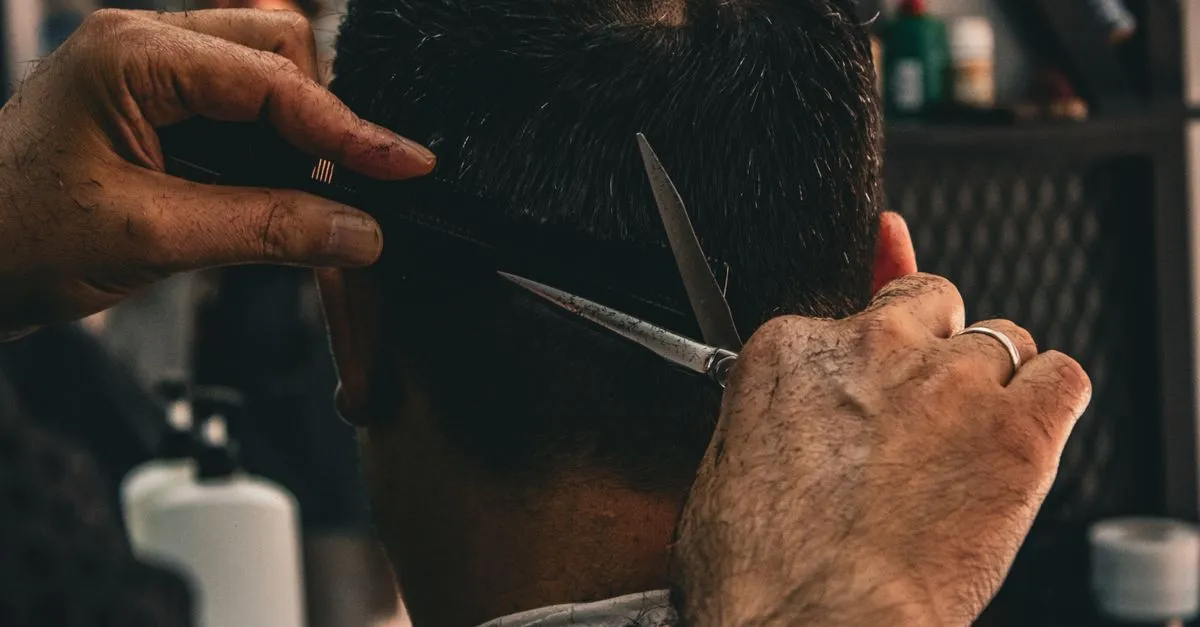
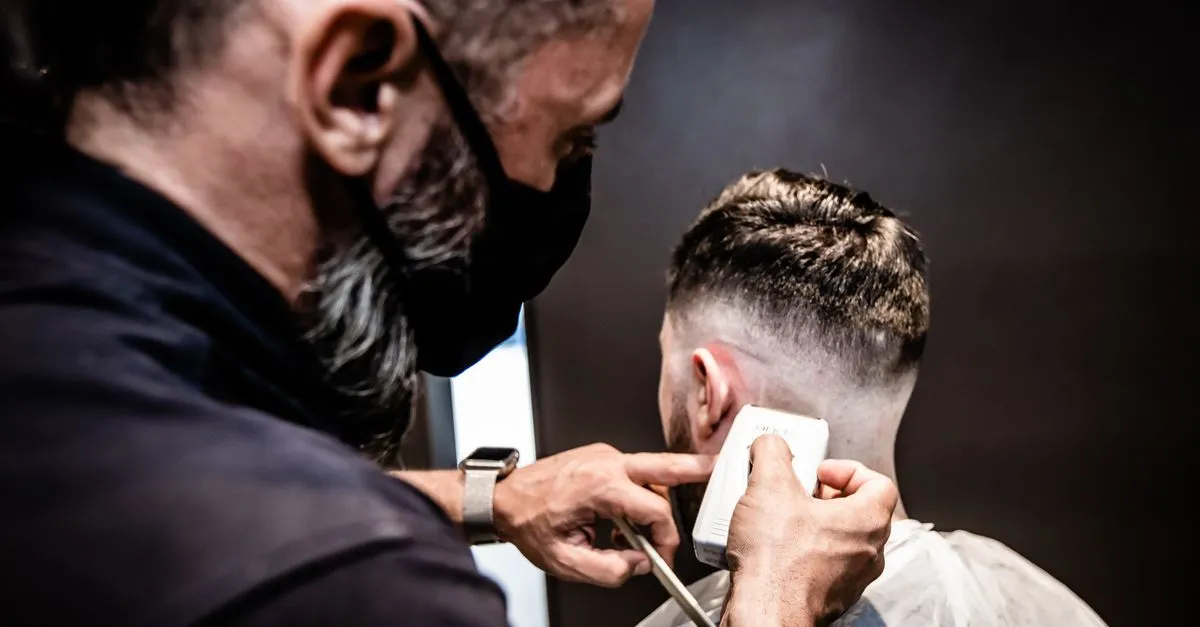
The kit is where the tiers live, and the lane decides it. Hair: two pairs of shears, clippers and guards, a comb roll, a blow dryer, irons, a cape, color supplies, towels, a travel mirror, a folding stool. Skip the portable salon chair in month one; a kitchen chair cuts hair fine. Nails: a portable table or lap desk, an LED lamp, sterilizable implements, single-use files, a polish or gel system. Makeup: a rolling case sorted by skin-tone range, brushes plus disposables, setting sprays, a ring light for dark hotel rooms. Skin: a folding treatment table rated for body weight, a wax pot with a temperature gauge if waxing is in your license, backbar basics, and towels in quantity, and this is the lane where a full set genuinely pushes the budget.
Three budget tiers
Lean, about $300 to $500. You are already licensed and already own your tools of the trade, which describes most pros leaving a salon. What you buy: the insurance policy, the EIN and a business bank account, booking software's free or cheap tier, and a few consumables. This is a real launch; the warm book plus one Google Business Profile fills it.
Comfortable, about $700 to $1,000. You are licensed but buying tools, and the used-gear route is the whole strategy: closing salons, retiring stylists, and beauty school sales boards. Operators consistently recommend this route because the gear rarely wears out, and cosmetology equipment holds its function long after it loses its shine. Add the license-tier extras and the LLC in this tier if you want the liability separation early. Beauty supply stores give licensed pros a discount tier, so time purchases for after the license is in hand.
Gear-rich, $1,500 and up. New equipment instead of used, the skin lane's treatment table and wax setup, and the lane's genuine ceiling cases: full esthetics treatment rooms cost thousands, and cost pages for vehicle-based mobile salons (the built-out van lane, a different business than the own-car kit) run $5,000 to $10,000 and up. The course's rule keeps this tier honest: if your kit plan crosses $1,000 before your first booking, you are equipping a salon you do not have instead of a route you do.
If you are starting unlicensed
Say it plainly, because the course does: the license is the gate. Cosmetology runs roughly 1,000 to 2,100 hours by state (about nine months to two years full time), esthetics runs 220 hours in Florida to 1,000-plus in Georgia with 600 common, and nail technology runs about 100 to 750 hours by state. That is tuition plus months of unpaid time, and no kit purchase shortcuts it, because practicing without a license is illegal in every state and a misdemeanor in many. If the hours are the blocker, the nails lane is the fastest license to earn and one of the heaviest kits to carry, a trade the course makes you weigh with numbers.
The ongoing costs
Product and disposables eat roughly 10 to 15 percent of a service price, a working rule across the beauty trades; your lane may run lower, so track it for a month and replace the rule with your number. Driving is the cost beginners ignore: the IRS business mileage rate is 72.5 cents a mile through June 2026 and 76 cents from July, and a 20-mile round trip burns about $15 of true vehicle cost whether or not you bill a travel fee, which is why travel fees (a flat $20 to $40 at the far end of a 10-to-25-mile radius, or about a dollar a mile) exist. Insurance renews annually, software runs monthly, and self-employment tax takes 15.3 percent of net earnings on top of income tax, so set aside a quarter of everything you collect. The separate-account system for all of this is money and bookkeeping.
Time to first revenue
Weeks, if you are licensed. The first-thirty-days plan in the Mobile beauty care course has the warm-book announcements, the profile, and the facility calls running in parallel, and one yes from an activities director can mean five to eight appointments per visit cycle from day one. If you are unlicensed, the timeline is the license's, not the market's. For the full lane picture, read how to start a mobile beauty business, and if you are choosing between beauty and the other licensed or low-capital lanes, the quiz compares them on capital, schedule, and credentials.