How to Start a Cleaning Business
Start a residential cleaning business on a recurring route for under $1,000: real rates, the worked month, founding cleans for reviews, and the retention math.
A residential cleaning business is one of the few service businesses you can start this month for under $1,000 and turn into real recurring income. Standard home cleans run $125 to $225 per visit nationally, clients who book you every two weeks can stay for years, and the winners in this trade think in routes rather than jobs. The work is physical and the trust bar is high. The economics are honest, and this post shows you exactly where the revenue goes.
What the work actually is
Not one-off jobs. A route. The same homes, on a schedule, cleaned to a standard the client stops thinking about because it never slips. Recurring homes clean faster than one-offs because they never fall apart between visits, so your effective hourly rate rises with route share even at a discounted price. That single fact explains almost everything about how this business makes money, and it is why the course teaches route density as an economic variable rather than a scheduling preference.
The trust bar is the other half of the trade. You are a stranger inside the most personal space people own, and every policy in the business, the bond, the color-coded cloths, the photos on file, exists to keep that trust boring.
What it costs to start
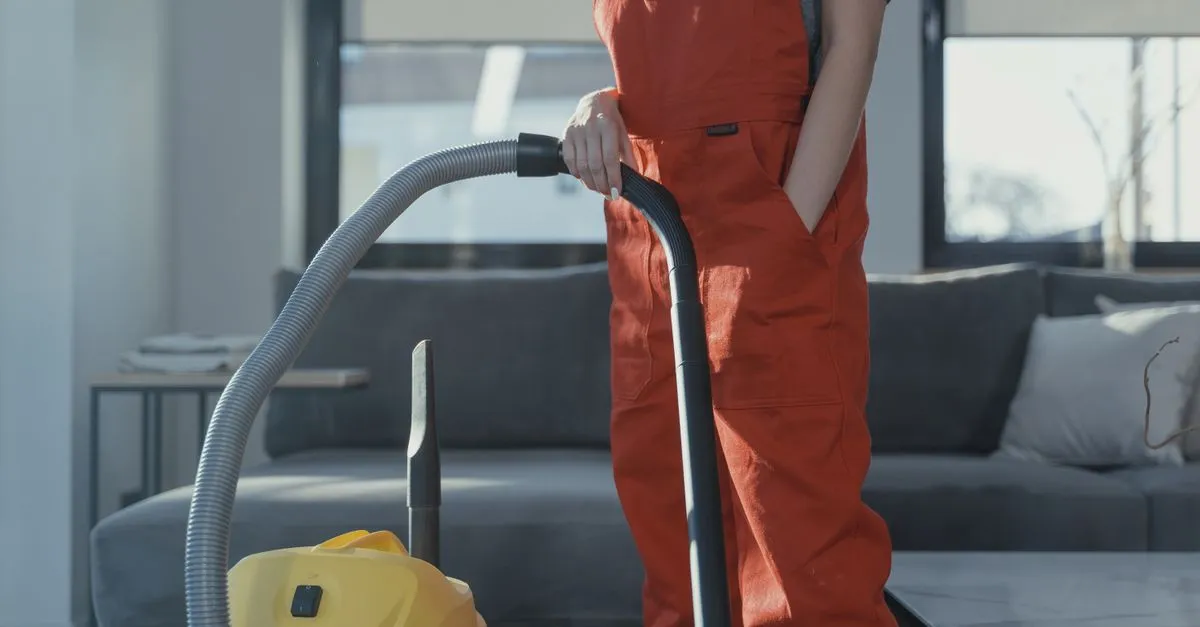
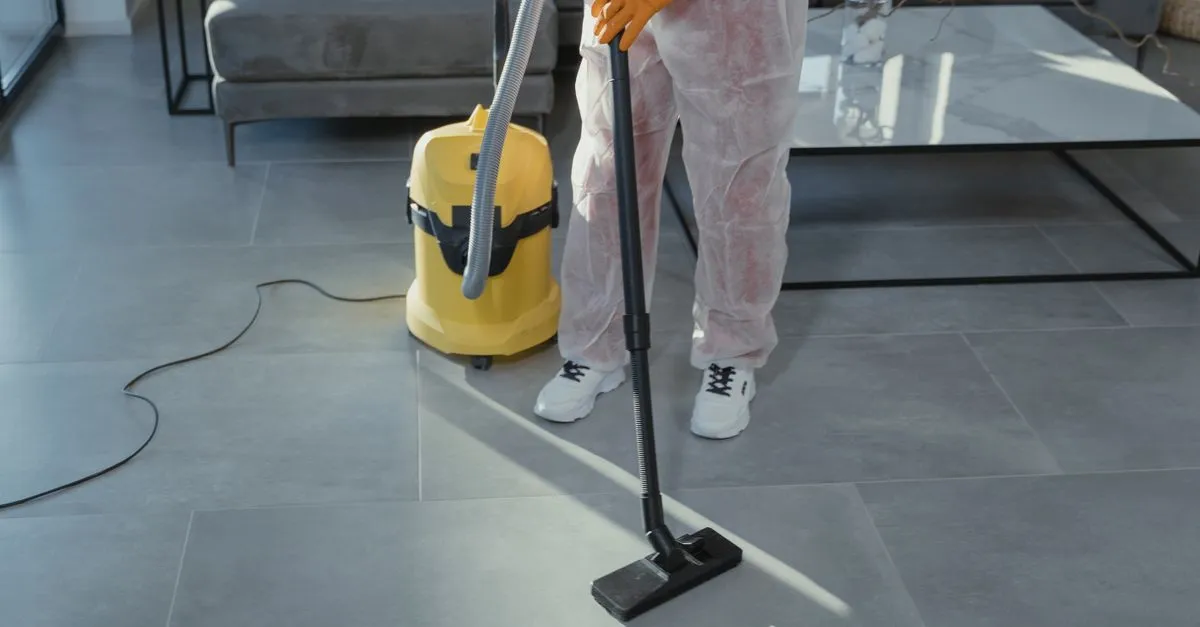
Industry surveys put a small residential cleaning startup at $500 to $5,000, and the top of that range buys comfort, not capability. The lean kit, itemized in the course: a commercial backpack vacuum at $200 to $450 (the one tool worth paying for, because it runs for hours a day and a dead vacuum mid-route costs you a client's confidence), a flat mop with washable pads at $40 to $70, thirty-plus color-coded microfiber cloths at $30 to $50, caddy and brushes and gloves at $40 to $60, a janitorial duster at $15 to $25, and starting chemicals from a janitorial supplier at $80 to $150. Add an LLC or DBA filing at $40 to $500 depending on state, first-month general liability plus a janitorial bond at about $56, and cards at $30 to $60.
The lean total runs roughly $530 to $1,420. The under-$1,000 path is real: buy the vacuum used or at the low end and file in a modest-fee state. Two lines are not optional at any budget, the insurance and the legal filing. Do not clean a single paid home before both exist.
The honest money
Standard home cleans run $125 to $225 per visit on average nationally, or $25 to $50 per cleaner-hour, per HomeGuide's survey data. Thumbtack's pricing page puts typical rates at $40 to $55 an hour. Small apartments start lower, around $75 to $200 for a one-bedroom. Big metros run higher, small towns lower.
For contrast, the anchor that keeps this honest: employed maids and housekeeping cleaners earn a mean of $36,180 a year, median wage $16.66 an hour, per federal wage data as of May 2024. Owning the route instead of working on someone else's is the entire reason your take-home can sit well above that. Early weeks will not. A full route will.
A worked month, in the open, from the course's money lesson. A solo operator in month four with about 18 recurring clients plus one-off fill does roughly 40 cleans at a $160 average ticket. Gross: $6,400. Supplies run about $5 a clean, minus $200. General liability plus the bond, minus $56. Phone, booking software, and card fees, minus $60. Vehicle at 400 business miles times the IRS rate, minus $304. Net profit before tax lands near $5,780. Self-employment tax takes about $817 of that month, and with income tax a 25 to 30 percent total set-aside is a workable planning heuristic. What remains supports roughly $4,000 to $4,350 in the owner's pocket, before anything like health insurance, which anyone leaving a benefits-carrying job has to buy for themselves. The complete cleaning business course ships that table with a worksheet, and the pricing module covers building the price list itself.
Three levers move take-home. Recurring share is the big one, which is why companies discount recurring service 10 to 15 percent rather than lose the rhythm. Density is second: the same $160 clean pays less when it sits forty minutes from its neighbor, and drive time is unpaid labor you sold yourself. Ticket size is third, add-ons like oven and refrigerator details on the same drive; one Seattle operator who scaled past $500,000 reports targeting an average ticket around $200 by pricing add-ons rather than inflating base rates, an operator's target, not a market fact.
First steps, in order
One: register the business and open a separate business checking account from the first dollar.
Two: buy the liability policy and the janitorial bond. The bond is the one that answers the question every client is silently asking about the person holding a key to their house.
Three: buy the lean kit, vacuum first. The color system for cloths, one color for kitchens, another for bathrooms, another for glass, costs almost nothing and prevents the single most reputation-destroying mistake in the trade.
Four: choose a territory you can drive in fifteen minutes and stay in it. Depth beats spread. This decision is worth more than any piece of gear.
Five: set up the Google Business Profile before you print a single flyer. A profile with photos, service area, and twenty reviews converts while a website with zero does nothing.
Where the first ten clients come from
Nobody books an unreviewed cleaner. That is the entire problem of week one, and every tactic exists to solve it. You are not really selling cleaning yet; you are manufacturing proof.
The cold-start sequence: days one through seven, founding cleans for friends, family, neighbors, and your community network, free or steeply discounted, in exchange for an honest public review. One operator reports collecting about fifteen Google reviews in the first month this way; fifteen is a strong result, and even six changes how strangers see you. Be explicit about the exchange and only ask for honest words. Do these inside your chosen territory, because founding cleans seed the exact streets your route will grow on. One corporate leaver condensed the same idea: first clean at full price, the second at half, only when the client commits up front to a recurring slot. The discount buys a recurring client instead of a one-off booking.
Then the flywheel. Every completed clean gets a next-day text asking how it went and, if the answer is good, a direct review link. Door hangers go on the four nearest doors after every job: "We just cleaned your neighbor's home at number 42. We're in the neighborhood Thursdays." Referral credits, typically $25 to $50 or the price of one clean, bring in the neighbors, and credits outperform cash prizes because the reward lands inside the service the referrer already values. Paid channels come later, only after the free flywheel has proven your conversion rate on real calls. The catalog-wide version of this playbook is the first-ten-customers module.
The one-off jobs are for eating; the recurring are for living. The day-after callback on every one-off is where the business happens: everything look the way you wanted, and by the way, most clients on your street are on an every-two-weeks schedule that runs cheaper than the one-time, want me to hold a slot? Ten clients inside four weeks is a realistic outcome from this playbook; fifty in a month is a marketing fantasy that usually signals underpricing.
The hardest parts, named
The underpricing spiral: rates set in fear become permanent, the calendar fills, the hourly math never works, and the only response available to an underpriced business is more clients and deeper exhaustion. The exit is a raise across the route, announced once, with notice. Operators report losing one or two clients per increase. They report surviving.
The hire that empties a route: solo cleaners report high satisfaction, and owners who describe wanting to quit almost always cite staffing, not cleaning. The day you hire, you trade a cleaning problem for a people problem, and the people problem pays worse for the first year. The misclassification trap is the legal version: a worker whose schedule you set, with your equipment, cleaning your way, is an employee no matter what the paperwork says, and states reclassify aggressively.
The rest of the catalog: the churn treadmill (ad spend growing while client count stays flat), the books that do not exist (you cannot diagnose a business you do not measure), the accusation that eventually comes (calm, same-day, documented, bond-backed), and the body (operators who last use mechanics over muscle and take the no-ladders policy seriously). All of it is in the cleaning business course, taught as lessons, followed by a thirty-day plan.
One more truth worth carrying: the route is slow, then sudden. Weeks one through six feel like shouting into a canyon, and the canyon months are where quitters quit. Plan eight lean weeks of finances so the canyon cannot starve you out.
Where to go deeper
The course covers the price list, the quote call, route density, the policies that protect you, retention, and the first hire. Every figure in it is sourced, and the worked month hides no line.
Not sure cleaning is the right trade for your body, territory, or schedule? The quiz matches your situation against every business in the catalog.
Requirements vary by state and change; verify with your state's regulator and a qualified professional.