How to Start a Handyman Business
Start a handyman business for under $1,000 if you own basic tools. Real rates, the billable-hours trap, license lines, and where the first ten customers come from.

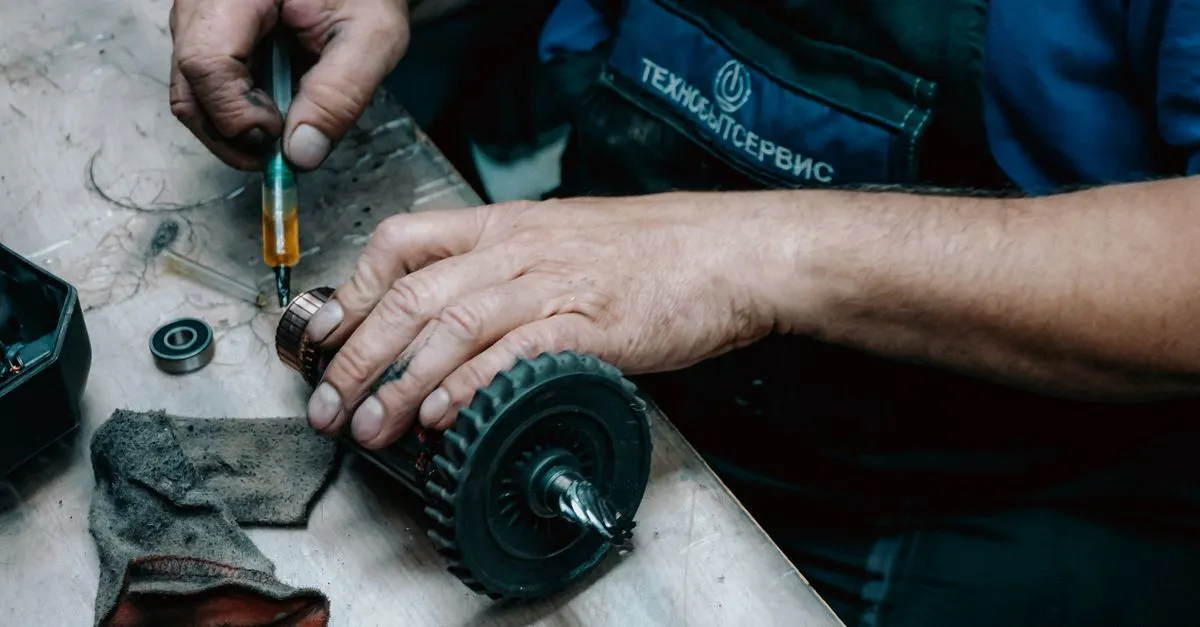
A handyman business is the small-jobs stack: drywall patches, faucet swaps, ceiling fans, doors that will not close. Contractors do not want these jobs because their crews and overhead only make sense on bigger work, and homeowners with a punch list of ten small things have nowhere good to take it. That gap is the whole business. You can start it for under $1,000 if you already own basic hand tools, billers in this trade charge $50 to $80 an hour, and the first jobs typically land within a few weeks. Here is the full picture, numbers first.
What the work actually is
One-day and half-day tickets, a couple per day, repeated for years. That is the shape. Typical handyman visits run $186 to $612 in Minneapolis, averaging $399, and $199 to $727 in Philadelphia, averaging $459, per Angi's city-level pricing data. Nobody builds an addition. You are the person who makes a list of annoyances disappear, and disappearing problems are worth full price.
The prerequisite is honest: you need working competence at basic home repairs before you charge for them. This is not a trade school. If you can hang a ceiling fan, patch drywall, and swap a faucet without a YouTube video open on the counter, you have the minimum. If you cannot, spend a month practicing on your own house first.
What it costs to start
The under-$1,000 startup is real with one condition: you already own basic hand tools. Filling gaps in a kit runs $200 to $500, and a cordless drill-driver kit is the single power-tool purchase that unlocks half your service menu. General liability insurance runs about $50 to $80 a month for a solo operator. An LLC runs $35 to $500 in state filing fees, averaging about $132, and the SBA notes most business registrations come in under $300.
Add it up with the fuller tool gap: $500 tools, $132 filing, $80 first-month insurance, $60 for cards and a printed price list. About $770, inside the band, with headroom for a first tank of gas.
If you own no tools at all, the picture changes. From-scratch startups run $3,000 to $10,000 once you include a full kit, and a complete kit with power tools alone runs $500 to $2,500. The cheap fork exists either way: start with a hand-tool menu and buy the drill and saw out of the first month's tickets. Rent the wet saw for the one tile job. The operators who survive month one refuse to buy gear for hypothetical jobs.
Skip the truck wrap, the logo, the website, and the branded shirts. None of them book jobs in month one.
The honest money
Self-employed handymen across the United States bill $50 to $80 an hour plus materials, and company-affiliated services bill $75 to $125 an hour, per live pricing data from HomeGuide. Angi's numbers run $50 to $150 depending on region. Most solo operators also set a minimum call-out charge of $75 to $150, which covers travel, the supply run, and the fact that a 20-minute job still eats half your morning.
Your instinct will be to enter at the bottom of the range to get started. Every operator who has done it reports the same result: the cheapest clients are the hardest clients, and raising prices later is harder than starting near market. Price at or near your local middle from day one. The complete handyman course builds the price card before the tool kit for exactly this reason, and the catalog's pricing method applies to any trade.
The trap that kills first-year handymen
You will work 40 hours a week and get paid for maybe 20 to 25 of them. The unpaid half is not laziness. It is driving between jobs, hunting parts, quoting jobs you do not win, invoicing, and restocking the truck.
Work it through. Bill 22 hours at $75 an hour and your week grosses $1,650. Divide by the 45 hours you actually spent, and your effective rate is about $37 an hour. That is still a solid living. But you must price and schedule against $37, not $75, or you feel rich at 2 p.m. and broke at month's end.
Then the deductions nobody's YouTube thumbnail mentions. Self-employment tax is 15.3 percent, because you pay both the employee and employer halves of Social Security and Medicare, and nobody withholds it for you. The working rule is to set aside roughly 30 percent of every payment for the tax combination and pay quarterly estimates. Insurance runs $50 to $80 a month and is not optional; you are being trusted alone inside the most expensive thing your client owns.
A defensible month, no promises: 85 billed hours at $75 averages $6,375 gross. After roughly 30 percent for taxes, insurance, and another 10 percent for vehicle and consumables, you land near $3,900 to $4,200 take-home for a month you worked hard but did not kill yourself.
First steps, in order
One: learn your state's license rules before you book anything. Handyman work sits under state contractor law in most of the US, and the dollar caps and limits vary enormously. California caps unlicensed work at $1,000 combined labor and materials under a law that took effect January 1, 2025, and bars unlicensed operators from pulling permits or doing trade-classified work like plumbing and electrical. Your state's rules will differ, which is the point: find them, which takes about 20 minutes, before you quote a single job.
Two: get the liability policy active. The classic first-year claim is the one filed the week before the insurance was purchased.
Three: register the business. A sole proprietorship costs almost nothing. An LLC costs $35 to $500 depending on state and buys separation between business liabilities and your house.
Four: write a one-page price list. Flat-rate jobs typically run $150 to $600, with materials marked up 10 to 30 percent over retail by convention. A printed menu of your ten most common jobs makes quoting fast and kills the hourly negotiation.
Where the first customers come from
Your first five jobs will come from people who already know you. Not from a website, not from an ad. Write a list of fifty people, neighbors, former coworkers, the friend who always asks your advice about their house, and send each one the same honest message: you have started a local handyman business doing the small jobs contractors do not want, and you would love to quote their punch list. Plan on the warm fifty returning five to eight conversations and two or three booked jobs. Nobody publishes conversion data on friend lists and outcomes vary far wider than that band, so treat it as a good first cycle rather than a promise. Price those jobs at full price. Free labor for friends trains your market to wait for discounts.
Then work the pattern that costs almost nothing: at every job you finish, leave a door hanger at the two doors on either side and across the street. The neighbors have the same house age, the same weather, and just watched a stranger's van outside for two hours. They are the warmest cold market that exists.
Set up a Google Business Profile in an evening. It is free and it outranks your website for "handyman near me." Ask every satisfied client for a review at the moment of satisfaction, out loud, while you text them the review link. Operators talk about thirty reviews as the line where strangers stop calling to ask a quick question and start calling to book. The exact number is field lore, but BrightLocal's 2026 Local Consumer Review Survey found 47 percent of consumers will not even consider a business with fewer than twenty reviews, so thirty clears that gate with room to spare. The first-customers playbook generalizes this machine to any trade.
The lane above all others is professional referrers: real estate agents who need punch lists fixed before listings, and property managers who need turnover work between tenants forever. One manager with a hundred units can hand you a standing monthly rhythm. Introduce yourself with a specific offer, not a brochure.
The hardest parts, named
The underpricing spiral kills more handymen than any competitor. Prices set too low make volume look like the fix, the calendar fills with clients who shopped on price, margins stay thin, and there is never money for marketing or gear. The counter is one decision: price at market from day one and let slow weeks be slow.
The license line is the second. The temptation toward the big job over your cap is structural, and state contractor boards spend their enforcement budgets on exactly that line. One working operator has published the story of quoting a painting job over the line and getting stung by the contractor's board. The fine hurt, the business survived. Crossing it once in a strict state can mean a bar on ever getting licensed. When a job approaches the cap, refer it out and bank the referral.
The third is quiet: quitting tends to arrive just before the flywheel starts turning, when the warm fifty is spent and the reviews number four instead of fourteen. Operators pass week six around as the typical quitting point. That number is lore, not a measured statistic, so treat it as a planning marker. Months one and two are quiet and cheap to survive if you priced right; month three begins compounding if the review engine ran.
Where to go deeper
Everything above compresses a fourteen-lesson course that covers the license boundaries, the quote walk-through, a real week in the business, the tool tiers, and a 30-day launch plan. The complete handyman course is free, and every figure in it is sourced in a public claims ledger.
Not sure handyman work is the right fit for your situation, budget, or hands? The quiz matches your situation against every business in the catalog in a few minutes.
Requirements vary by state and change; verify with your state's regulator and a qualified professional.