How to Start a Lawn Care Business
Start a mowing route with under $1,000 of gear that fits in a trunk. Real per-cut pricing, the route-density math, first customers without ads, and surviving the winter.

Lawn care is one of the last businesses you can start this weekend with gear that fits in a trunk. You need a mower, a string trimmer, and a blower, roughly $755 to $1,000 new and less used, and a recurring route that pays you every week of the growing season. A typical residential cut lands between $40 and $70, solo operators in this trade typically report $30,000 to $50,000 a year, and demand exceeds supply in most American suburbs every single season. Here is the whole ramp, honestly.
What the work actually is
A mowing route is a subscription business wearing work boots. The same lawns, the same day, every week, from spring green-up to fall slowdown, about 28 billing weeks in much of the US. The route pays weekly, the customer barely thinks about the charge, and the business compounds because every lawn you cut markets to the neighbors on either side.
Later comes the climb: add-ons like cleanup and edging that double a customer, then landscaping projects, then the transition from maintenance to real contracting. But the route comes first, always. The operators who fail usually fail by skipping it, buying a zero-turn with no customers to mow for.
What it costs to start
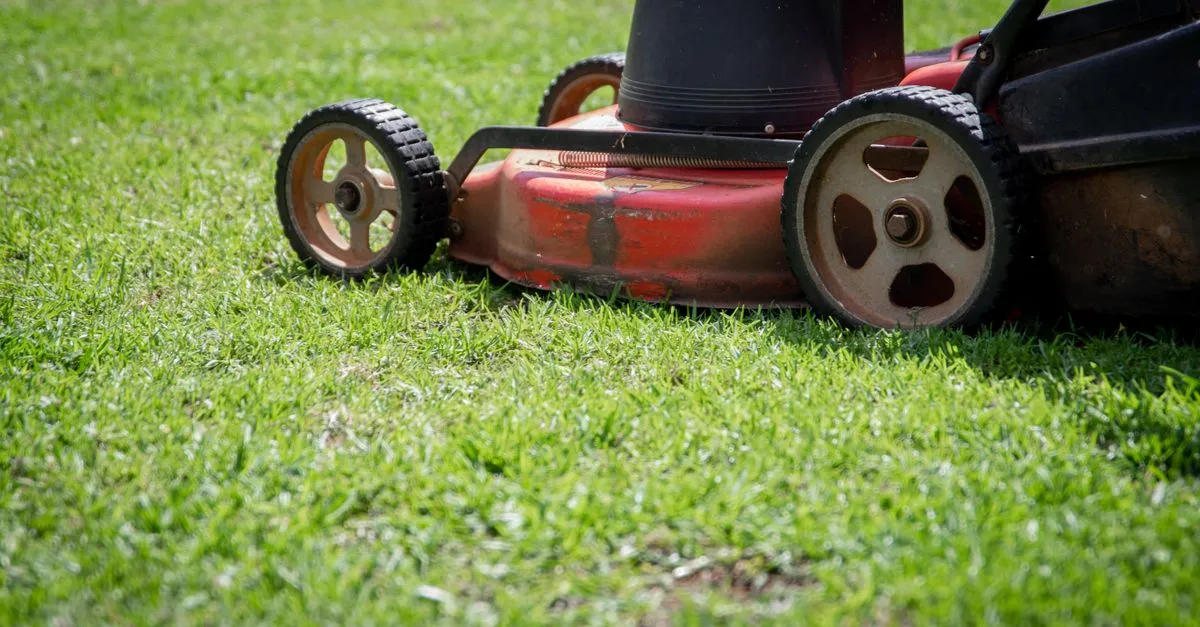
Three powered tools serve a residential route: a mower, a string trimmer, and a blower. Everything else is hand tools bought the week a job demands them. Starter guides price the full tier-one kit at roughly $755 to $1,000 new, and operators regularly report starting on used equipment around the $500 mark, no trailer required. A hatchback or SUV swallows a 21-inch mower with the seats down.
On top of gear: an LLC runs $50 to $500 depending on state (a sole proprietorship with a DBA name costs almost nothing), and general liability at $1 million per occurrence runs roughly $375 to $810 a year, with most solo policies landing between $450 and $650. That insurance line is the one with no soft version. You will be running powered equipment that throws debris at 200 miles per hour next to sliding glass doors all day.
Skip the trailer, the zero-turn, and the wrap. A zero-turn with no route is a very expensive lawn ornament, and used commercial walk-behinds outlast new box-store machines under route load anyway.
The honest money
The pricing data disagrees with itself by a factor of three, and knowing that is more useful than any single number. GreenPal, a booking platform seeing thousands of transactions, puts the average mowing visit around $50, in a typical range of $30 to $85. LawnStarter reports $43 to $70 per lawn, averaging about $56. Angi's homeowner-side data runs $49 to $203 with most homeowners paying around $123, but Angi skews toward full-service companies doing more than a cut. Jobber's planning band is $150 to $200 per acre. Treat these as calibration: a typical residential cut in a typical suburb lands somewhere between $40 and $70, and bigger properties price by the acre.
Then the route math, which is the actual business. Solo operators report mowing 6 to 15 lawns in a full day, with the spread driven almost entirely by how close together the lawns are. At a $50 average and a six-hour cutting day over a 28-week season: a loose route of 6 lawns a day grosses about $42,000 a season, a typical suburban route of 9 grosses $63,000, and a dense route of 12 grosses $84,000. All three operators work the same hours. The dense one just drives less.
Revenue is not income. A common working rule for solo service operators is that half to two-thirds of revenue survives to pay the owner, after fuel, equipment, maintenance, insurance, and the 15.3 percent self-employment tax on profit. On income specifically, Insurance Canopy puts the typical solo operator at $30,000 to $50,000 a year, with operators at $50,000 and above being the ones with dense routes, disciplined pricing, and a season or two of learning behind them. First-season take-home above a modest wage is realistic; dramatic first-year income is not typical. The complete lawn care course runs this math three ways with a worksheet, and the pricing method teaches the close-rate test that catches underpricing early.
First steps, in order
One: register the name and open a separate business bank account from the first dollar. Commingled funds are the number one reason small service businesses produce tax nightmares, and the fix costs one bank appointment.
Two: bind the liability policy before the first paid lawn. The classic first-year claim is the one filed the week before the insurance was purchased.
Three: buy the tier-one kit used. The operator consensus is remarkably consistent: used commercial beats new residential at the same price, buy from a dealer when you can because commercial warranties run as short as 90 days and dealer support is what saves a route during a breakdown, and carry redundancy on the piece that stops the route. Keep the old mower when you upgrade.
Four: check two license lines before you say yes to customer requests. Applying lawn chemicals for hire sits behind a state license in most places, and structural landscaping work crosses dollar thresholds in some states. A plain mowing route needs none of it, which is exactly why the route comes first.
Where the first ten lawns come from
Your first three lawns exist in your phone already: family, immediate neighbors, the coworker with the messy corner lot. Claim them at full price, not free, because full price to a friendly first customer gives you honest feedback in a safe place.
Then the rule that builds the whole route: work outward from every stop. After you finish a lawn, walk to the two or three nearest doors, the ones within sight of the job, and say the boring thing that works:
"Hi, I'm cutting for the Hendersons next door, and I had a Thursday route on this street. If you ever want on it, I'm taking one or two more on this block."
Three sentences. Your work is visible twenty feet away, the Hendersons vouched by existing, and the route framing makes the offer scarce and routine. Operators across the trade forums describe exactly this pattern as the backbone of first-year acquisition. Door hangers do the same work when nobody is home.
Two free assets compound underneath: a Google Business Profile with real photos and a review ask built into your completion text, and an answer ready in the neighborhood groups every time somebody posts "anyone know a good lawn guy?" Booking platforms like GreenPal and Thumbtack can fill early gaps, but treat them as an on-ramp, not a home; platform customers price-shop, the platform takes its cut, and the relationship belongs to the platform. Direct recurring customers won by proof and reviews are the destination. The first-ten-customers module runs the same machine across every trade in the catalog.
The hardest parts, named
The lowball death spiral is the classic: $35 cuts to get the route going become the route's price, the route fills with customers who chose the cheapest operator, and August arrives with the operator working full days for a wage that shrinks every month. Never win a customer on price you intend to keep on quality.
Non-payers kill routes that look healthy. The defense is boring and total: card on file at signup, invoice same date monthly, and a hard two-invoice rule where service pauses after two unpaid invoices. Customers pay the companies that expect to be paid.
The breakdown week comes for everyone. Equipment failure is roughly weekly in heavy season, so the defenses stack: the backup mower, a repair fund fed weekly, and the dealer relationship that gets you a loaner.
The cash cliff is the one that feels least like failure right up until it is. A beautiful August with money in the account and no off-season fund becomes a November problem. Bank a fixed percentage of every check for the season's end, because your summer self cannot feel a winter it has never experienced. Burnout and hiring too fast round out the list, and the lawn care course gives each its own treatment, plus a 30-day launch plan that sequences all of this.
Where to go deeper
The course covers the gear tiers, pricing a lawn standing in the driveway, keeping the route alive, the add-ons that double a customer, and the off-season fork. Every figure in it is sourced, and the failure modes are taught as lessons rather than footnotes.
Not sure a mowing route fits your season, body, or market? The quiz matches your situation against every business in the catalog.
Requirements vary by state and change; verify with your state's regulator and a qualified professional.