How to Start a Mobile Detailing Business
Cosmetic car care delivered to driveways, started for $800 to $1,000 with a documented budget build. Real ticket averages, the storm-drain rules, and the winter problem, from our verified course.
The short answer
A mobile detailing business washes, cleans, and protects cars at the customer's driveway or office parking spot, and you can start one for $800 to $1,000, a figure documented publicly line by line by operators, not a marketing estimate. The national average mobile detail runs $144 to $254, a full detail commonly lands between $150 and $300, and your supply cost per car is often under $10 in chemicals and consumables. First paying customers typically come from your own contacts list within weeks, not from advertising. The honest catches: gas, insurance, self-employment tax, and the hours spent finding the next car are real costs that eat the fantasy margin, and saturated markets push lazy pricing toward the bottom.
This guide is distilled from our Mobile detailing course, where every number carries a source and the failure modes get their own lessons.
What the work actually is
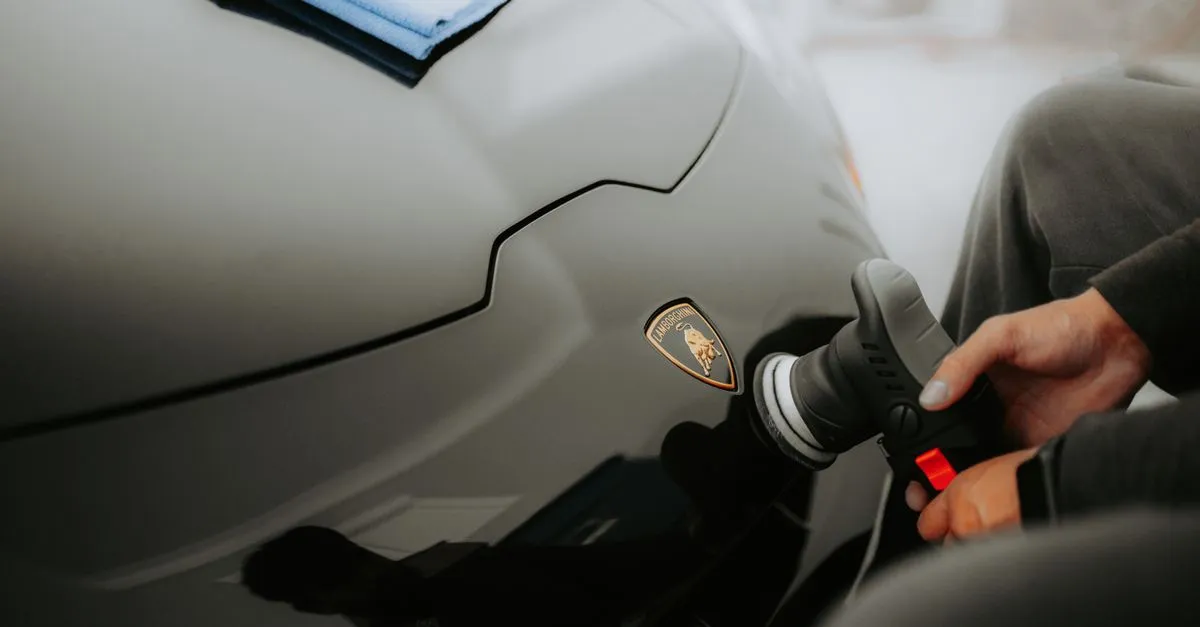
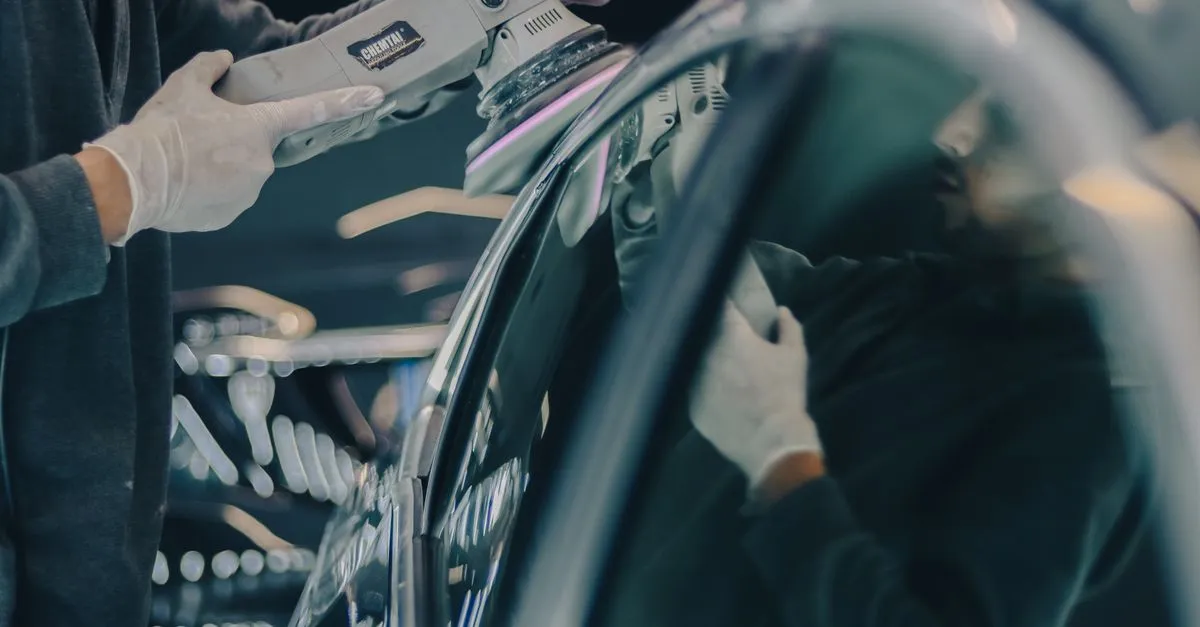
Cosmetic car care, not body work. Dents, resprays, and rust repair are a different craft with a different course. Your menu is a ladder: a basic exterior wash and vacuum, commonly priced in the $50 to $125 band; a full interior-and-exterior detail at $150 to $300, which is the job that will dominate your first summer; premium packages with machine polishing and protection steps at $250 to $550 and up; and ceramic coating at the top, where professional jobs typically run $500 to $2,000 or more. You should not touch ceramic money until you have earned the skill it buys, and the course treats that as a skill gate, not a purchase gate.
The mobile part is the product. The customer watches you work, or comes home to a finished car that never left the driveway. One operator's first summer, documented with numbers, ran paying jobs out of a Honda Civic with $811 out of pocket and no tank, no generator, no trailer. That is the proof that this business monetizes effort and standard, not infrastructure.
What it costs to start
The operator consensus across the startup threads puts a complete start at roughly $800 to $1,500, with budget builds documented at $800 and $1,000. The core kit: a compact electric pressure washer ($100 to $180), a wet/dry shop vacuum ($80 to $150), a foam cannon ($25 to $40), two 5-gallon buckets with grit guards ($25), 25 to 40 microfiber towels ($40 to $60), a large drying towel ($15 to $25), wash mitts ($15), a brush set ($20 to $35), and the chemical menu ($80 to $120 in concentrates). Plus spray bottles, a trunk organizer, a long hose, and adapter fittings, because no two houses have the same threads.
What you deliberately skip: the water tank and trailer (use client water, as the Civic operator did all summer), the generator (your machines draw from the client's outlet, arranged at booking), and a second backup of anything. One quality rule overrides all the thrift: towels and anything that touches paint. Bargain microfiber scratches clear coat, and one marred hood costs more than every towel you will ever buy.
On the legal side, most states have no detailing-specific license, but the exceptions are real: California requires car-washing-and-polishing businesses to register with the state at $300 per location per year, and New York City requires a car-wash license that covers detailing. And the one rule that matters everywhere is water, which deserves its own section. We itemize every line in the mobile detailing cost guide.
The rule nobody tells beginners
Where your wash water goes is federal law. Under the Clean Water Act, discharging wash water into a storm drain without a permit is a violation, and the permits that exist are designed for fixed facilities and rarely cover mobile washing at all. Storm drains are not treated; they flow directly to streams, and your rinse water carries soap, oil, brake dust, and heavy metals off the car and into the watershed. San Diego County prohibits mobile-washing runoff from leaving the property at all, Portland's guidance is to locate and block storm drains before washing, and penalties escalate from notices to daily fines. The career-ending version is a video of your soap suds running to a drain, posted to the neighborhood group.
The under-$1,000 answer is the rinseless wash: a few gallons of water mixed with a rinseless concentrate, wiped panel by panel with damp microfiber, no rinsing, no runoff. Operators report a full rinseless wash takes around 3 to 4 gallons, against 80 to 140 gallons or more for a driveway hose wash. Three gallons carried away in a lidded bucket is a manageable liability. Learn the technique properly, because done wrong it scratches and done right it is the standard for constrained sites. The full-compliance setup for water-based washing, a containment mat and pump, is a few hundred dollars and a correct later purchase, not a first one.
The money, honestly
Here is the course's worked week for a solo detailer: eight full details at a $175 average, $1,400 of revenue. Supplies around $80. Gas for 120 miles of round trips at the IRS business rate, $91 (the rate is 76 cents a mile for July through December 2026, 72.5 through June). Insurance, about $12.50 a week against Insureon's $54-a-month average for detailing general liability. Self-employment tax set-aside at 15.3 percent, $186. Left before paying yourself: $1,030.
That is a good wage for hard physical work, and it is not the fantasy number. Two things to take seriously. Eight booked details a week is not week one; you will start slower, and if you are doing severance math, run it in months, not weeks, with the runway course. And self-employment tax is not abstract: you pay both halves of Social Security and Medicare, 15.3 percent on top of income tax, so set aside roughly 25 to 30 percent of every payment the day it lands, in a separate account. The system for that habit is money and bookkeeping.
Where the money actually grows is not single details. The curve bends through repricing your menu upward as reviews accumulate, selling protection (one ceramic job can equal a week of washes), and recurring maintenance plans, a handful of customers paying monthly, which is the difference between a hustle and a business. Detailers survive winter on bi-weekly wash-and-vacuum programs; the operators who skip the recurring lane watch the calendar go dark in November.
Your first ten cars
Nobody's first customers come from advertising. They come from the contacts list. The first-summer operator's first five jobs were his mother, a friend of his wife, his mother's friend, a classmate's mother, and a neighbor who watched him work and walked over. Roughly $920 from five cars, and he offered the first two free; both paid anyway, because people hate receiving something for nothing from someone they know.
Copy the shape: list twenty people who own cars and like you, message each one individually with a launch price, a stated reason for the discount (photos and reviews, not desperation), and a deadline. Expect three to six yeses, which is your first week. Then the profile that sells while you sleep: a Google Business Profile, free, filled in completely, with photos of every car uploaded the same day. Detailing-marketing guides put these listings at the center of local lead work. Ask every customer for a review while the shine is still emotional. The first ten reviews are the hardest and matter the most; you are farming trust that compounds for years.
Then door hangers on the streets where you just finished a car, because geography does the targeting: the neighbors watched your cones and your clean process for three hours. The general method behind all of this, channels and timing and when to switch, is our first ten customers course.
One mistake to skip entirely: paid ads in month one. Owners in operator threads report expensive campaigns that produced nothing, and warm referrals convert at rates ads cannot touch. The ad-money mistake empties more new detailers' pockets than any competitor does.
The hardest part
Price pressure, and it is self-inflicted. Operators describe oversaturation driving a race to the bottom, and working detailers describe average mobile tickets struggling near $50 in some markets. Undercutting is a strategy that ends exactly one way, because the cheapest operator is usually the unprofitable one. Your defense is review depth and protection skills, which pull the same cars well above the market bands, and a menu that prices condition honestly: pet hair at $40 to $100 more, extreme interiors $75 to $200 more, per the operator-menu pattern. The second hardest part is physical: you are on your knees in driveways in August, and most of the business is running the business, not detailing. Quote, schedule, drive, invoice, post. Operators say it, and the ones still standing in year three live it.
Start this week
The full Mobile detailing course is free: the kit tiers, the launch checklist with the water rules, the menu and pricing worksheet, the customer scripts, and the 30-day plan. Not sure detailing is your lane versus the other low-capital options? The quiz sorts it by capital, schedule, and how you feel about kneeling. One last thing before the first job: search your state's name plus "car wash license" and check your local stormwater rules, because licensing and wash-water enforcement both vary by state and city.