How Much Does It Cost to Start a Drone Business?
A commercial drone start runs roughly $1,000 to $2,200: $175 exam, $800 to $1,400 aircraft, $5 registration, and hourly or annual insurance.
A drone business costs about $1,000 to $2,200 to start: the $175 Part 107 exam, an aircraft at $800 to $1,400, $5 registration per aircraft for three years, and insurance at $5 to $15 per flight hour or roughly $500 to $650 per year for a $1 million policy. Optional add-ons, including a prep course and an LLC, fit inside the same band. Every figure below is drawn from the verified drone services course.
The startup stack, itemized
| Item | Cost | |---|---| | Part 107 initial knowledge exam | $175 | | Optional prep course | $150 to $250 | | First aircraft with batteries | $800 to $1,400 | | Aircraft registration | $5 per aircraft, three years | | Insurance, pay-per-flight | $5 to $15 per flight hour | | Insurance, $1M annual policy | roughly $500 to $650 per year | | LLC filing | commonly $50 to $500 by state | | Perpetual-license video editor | $139.99 one-time |
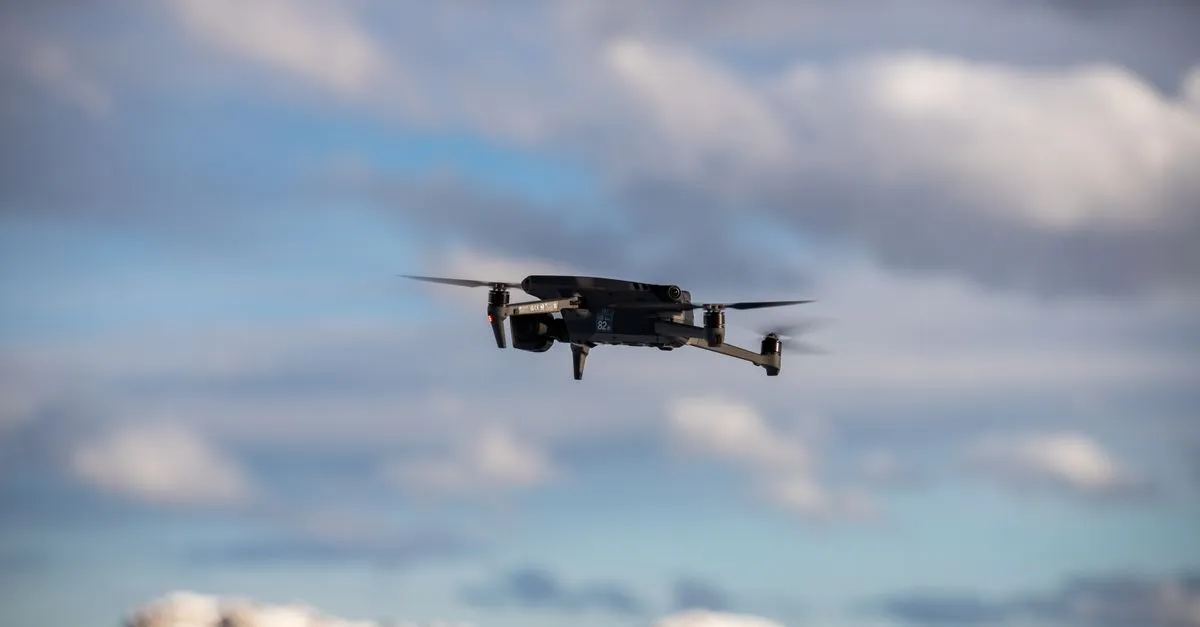
The aircraft is the swing item. A compact prosumer drone in the DJI Mini 4 Pro class runs roughly $800 to $1,100 in typical bundles and handles real estate stills, social content, and basic inspection work. The midrange dual-camera class runs $1,599 to $1,799, and the premium flagship sits near $2,100. The course's rule is to buy the cheapest aircraft that serves your named vertical and let the first signed client fund the upgrade; the reasoning is in the gear lesson.
Batteries deserve their own line of thinking. Manufacturers rate them for about 200 charge cycles and flight times run 30 to 45 minutes, so a second battery is often the first purchase after the aircraft itself.
Insurance by the hour or by the year
On-demand liability at $5 to $15 per flight hour is the honest way to start, because you pay only when you fly. Move to an annual $1 million policy, roughly $500 to $650 for a small operation, when volume makes hourly pricing the expensive option. Check client requirements before you buy: many commercial clients require $1 million, and construction and government work commonly requires $2 million with a certificate of insurance and additional-insured status.
What costs almost nothing
The exam study materials from the FAA are free, and recurrent training every 24 months is a free online course rather than a testing-center retake. LAANC airspace authorization through free apps such as Aloft or AutoPylot costs nothing. The thirty-day launch plan in the first thirty days lesson assumes exactly this lean stack.
Operating costs once you fly
Budget for the parts of the job that are not flying. Deliveries take editing time, and a one-time-purchase editor at $139.99 covers the lean years. Weather costs money indirectly: operators in windy or wet climates describe losing about a third of flyable days to conditions, which stretches job calendars and insurance hours. Marketplace gigs at $100 to $150 exist but underpay, per operator consensus, so direct clients remain the margin.
The first month in dollars
The course's thirty-day arithmetic pins the essential stack at the $175 exam plus the $800 to $1,400 kit, with insurance hourly and propellers filling the margin. Everything else in the launch month is free labor: the IACRA account, the site with a tested contact form, the Google Business Profile, and the fifty-plus outreach touches the plan requires. That is the shape of the lean start, cash for the certificate and the airframe, sweat for everything between them.
Capital bands
| Band | What it buys | |---|---| | Under $1,000 | Exam, registration, and a used or entry aircraft; workable for stills-only work | | $1,000 to $5,000 | The standard start: new midrange aircraft, annual insurance, LLC, spares | | $5,000 to $25,000 | Dual-camera or premium airframe, thermal sensor money once a client signs | | $25,000 plus | Survey-grade and LiDAR equipment with the training behind it |
Common questions
Is the $175 exam fee per year?
No. It is a one-time fee per attempt at the initial knowledge exam. Recurrency afterward is a free online course every 24 months.
Do I need the expensive drone to charge money?
No. Real estate aerials at $75 to $150 as an add-on, roof inspections at $150 to $400 residential, and social packages at $100 to $500 are all flyable on an $800 to $1,100 aircraft. The rate table is in the verticals lesson.
When does hourly insurance stop making sense?
When your flight hours make $5 to $15 per hour exceed a roughly $600 annual premium. That crossover usually arrives with your first recurring client.
The full launch sequence, from exam booking to first paid flight, is free in Start a Drone Services Business. The broader setup story is in our drone startup guide. Fee schedules and enforcement policies change, so verify current costs and requirements with the FAA.