How to Start a Drone Business
Pass Part 107, buy an $800 aircraft, pick a vertical that pays, and book paid flights in weeks. Real rates, FAA rules, and a thirty-day launch plan.
You start a drone business by passing the FAA Part 107 exam, which costs $175, registering your aircraft at $5 for three years, buying a capable first drone for roughly $800 to $1,400, and selling into one vertical such as real estate, roof inspection, or social content. Paid work often lands within weeks of your first outreach. The full path, with every rate verified or flagged, is our drone services course, and the honest headline is that roughly 492,000 pilots held FAA certificates at the end of 2025 while most operator communities describe most of those certificates as idle.
The pilots who make money pair the flying with an adjacent skill, a niche, and plain salesmanship. A 2017 industry survey of 2,600 service providers found 85 percent made less than $50,000 a year and 79 percent flew one to five operations a month. Treat those numbers as the field's base rate, not a ceiling.
The license is the business
Federal eligibility is simple: at least 16 years old, able to read and speak English, and in a condition to fly safely. The initial knowledge exam costs $175, runs 60 multiple-choice questions over two hours, and needs a 70 percent to pass. Regulations, airspace, and weather together account for roughly half the questions, so study time goes there first. Paid prep courses run about $150 to $250, and the FAA's own materials are free.
After the exam you file through IACRA, and the temporary certificate typically arrives within about a week, with the permanent card weeks later. Recurrent training is a free online course every 24 months. The exam-to-certificate walkthrough is in the Part 107 lesson.
Register every aircraft regardless of weight, at $5 per aircraft for three years. The sub-250-gram exemption is recreational only, a trap that catches new commercial pilots every year.
The rules you will actually use
A handful of operating rules cover almost every paying job. Maximum altitude is 400 feet above ground level, or within 400 feet of a structure you may fly to its top plus 400 feet. Maximum speed is 100 mph. You need 3 statute miles of visibility and to stay at least 500 feet below and 2,000 feet horizontally from clouds.
Night operations have been legal without a waiver since April 21, 2021, provided your recurrent training is current and the aircraft carries an anti-collision light visible for 3 statute miles. LAANC authorization, through free apps such as Aloft or AutoPylot, gives near-instant airspace approval at or below published grid altitudes.
The rule with teeth is Remote ID, enforced strictly since March 16, 2024, with civil penalties up to $75,000 per violation under the FAA Reauthorization Act of 2024. Verify your aircraft complies before the first paid flight. The operating rules lesson covers the rest, including operations over people.
The gear, without regret
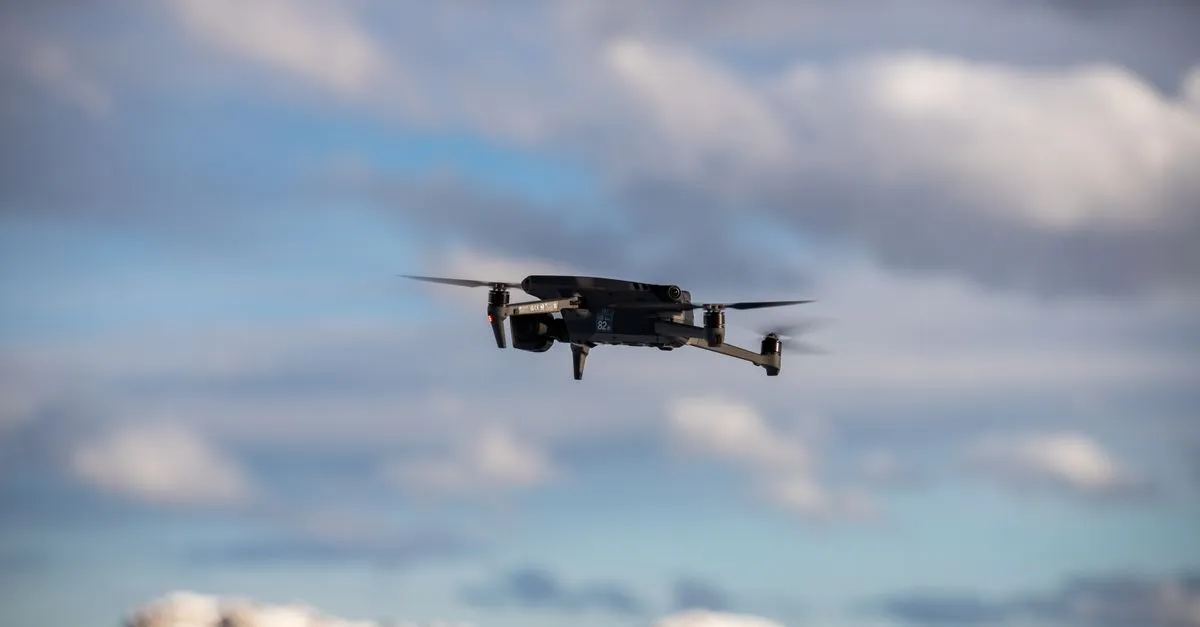
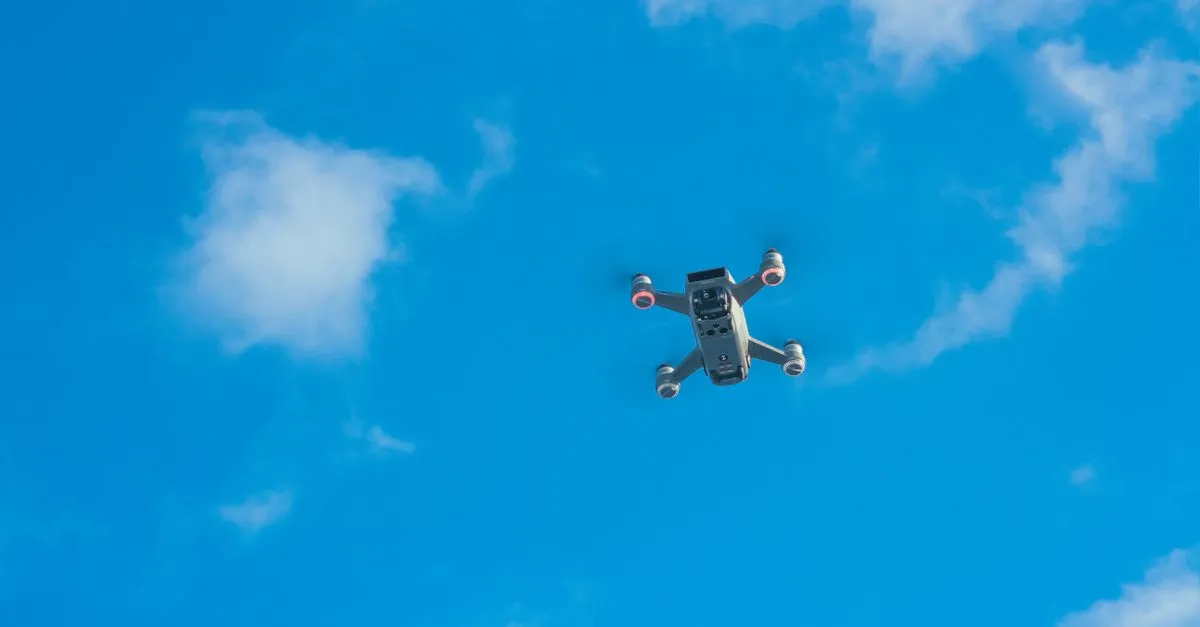
A compact prosumer drone in the DJI Mini 4 Pro class, with batteries, runs roughly $800 to $1,100 and carries a surprising share of professional work. The midrange dual-camera class runs $1,599 to $1,799 in common bundles, and the premium flagship sits near $2,100. Flight times run 30 to 45 minutes per battery, and manufacturers rate batteries for about 200 charge cycles, so a second battery is a scheduling tool, not a luxury.
Buy the cheapest aircraft that serves your named vertical, and let the first signed client fund the upgrade. Thermal sensors and LiDAR cost four figures, so the client comes first, signed, then the tool. The reasoning lives in the gear lesson.
Insurance follows the same logic. On-demand liability runs about $5 to $15 per flight hour while you test the waters, and a $1 million annual policy runs roughly $500 to $650 per year for a small operation. Many commercial clients require $1 million in coverage, and construction and government work commonly requires $2 million.
The verticals that pay
Three starter verticals absorb almost every new pilot. Real estate is the front door: drone work prices as a $75 to $150 add-on to a ground-photo package, with full aerial packages running $150 to $400 per listing. It is also the most crowded door in the field.
Roof and property inspection is second. Residential drone roof inspections run $150 to $400, roughly half of what traditional on-roof visits cost, and that gap is the entire sales pitch to roofers, adjusters, and property managers. Commercial and multi-building roofs bill $400 to $1,200 and up.
Social and marketing content is third, at roughly $100 to $500 per package, with recurrence as the prize: one happy venue is twelve paid shoots a year. Above those sit construction progress retainers, mapping at $5 to $20 per acre basic and $100 to $300 per acre survey-grade, and thermal work. The full rate table is in the verticals lesson.
One marketplace warning. Pilot networks like ZeitView mostly post gigs at $100 to $150, and operators say the platforms underpay. Use them for your first five jobs to build reps and a reel, then graduate to direct clients, because the marketplace owns the relationship and sets the price.
Pricing the whole job
Working instructors teach a three-hour minimum engagement, because ten minutes in the air means nearly three hours of everything else. One operator's published method targets about $100 per hour across the whole job, start to finish, and industry pricing data puts average drone photography at $150 to $400 per hour. Hobbyists quoting $50 exist at the bottom of local markets; do not join them. The full method, from day rate to package build, is the pricing lesson.
Deliver in five to seven business days for full photo and video packages, one to three days for stills. A perpetual-license video editor such as PowerDirector at $139.99 one-time beats a subscription while volume is low.
The thirty-day plan
Week one: create the IACRA account, book the exam for the end of week two, and open the business bank account. Week two: pass the exam, file same-day, order the aircraft, and build the one-page site and Google Business Profile while the TSA check runs. Week three: fly the protocol until the pre-flight checklist is muscle memory, register the aircraft, and cut a sixty-second demo reel. Week four: thirty network messages on Monday, twenty vertical-buyer notes midweek, and take the first legitimate job at market rate, not a panic discount.
The median launch month ends with a certificate, a tested kit, a live portfolio, fifty-plus outreach touches, and one to three paid jobs flown. Weather or exam timing can halve that; both are normal, and the plan resumes. The full calendar is the thirty-day lesson.
Operators in windy or wet climates describe losing about a third of flyable days to conditions, so set expectations with clients accordingly and always carry a plan B date.
Common questions
How much can a drone business make?
The field's base rate is modest: a 2017 survey found 85 percent of providers under $50,000 a year. The operators who beat it combine flying with an adjacent skill, hold recurring construction or content clients, and sell directly rather than through marketplaces. The honest money lesson works the numbers.
Do I need an LLC?
Not to pass the exam or fly, but clients and insurers prefer one, and state LLC filing commonly runs $50 to $500. Many operators start as sole proprietors and convert once invoices flow.
Is a cheap drone enough for paid work?
For real estate stills and social content, a Mini 4 Pro class aircraft at roughly $800 to $1,100 is a working tool, not a compromise. Inspections and mapping pull you up the gear ladder, and the client funds that climb.
How do I get my first clients?
Warm network first, then direct notes to vertical buyers such as agents, roofers, and venue managers, tracked in a simple sheet. The scripts are in the first clients lesson. The general playbook is our first ten customers guide.
Where to go from here
Certification before gear, gear before portfolio, portfolio before outreach. Reverse that order and you get a garage full of drones and an empty calendar. If you are still matching niches to your capital and skills, the business quiz does that sorting in a minute. The complete course, with launch checklist and utilization sheet, is free at Start a Drone Services Business.
Rules and enforcement policies change, so verify current requirements with the FAA before your first commercial flight.