How to Start a Pressure Washing Business
Start an exterior cleaning business with a used 4 GPM machine and under $1,000. Real price bands, the chemistry, the two-houses-a-day season math, and first customers.
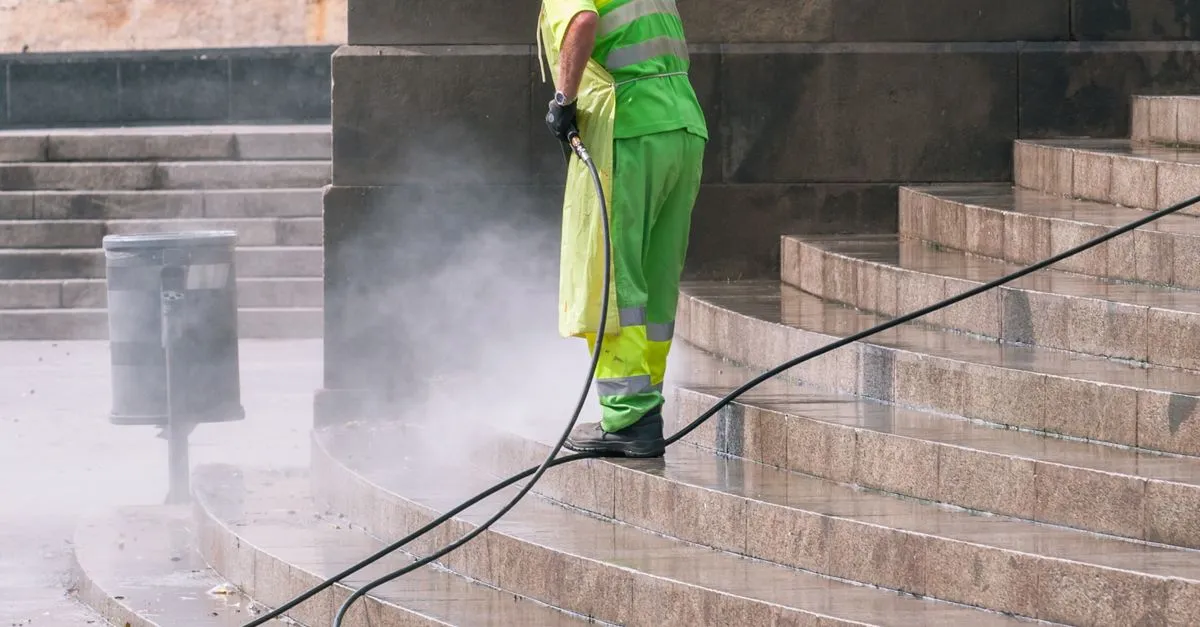
A pressure washing business is surface restoration, not blasting: killing the algae on siding with the right chlorine mix at garden-hose pressure, bringing gray concrete back, and quoting every job by the job, never by the hour. You can start it with a used 4-gallon-per-minute machine and about $1,000, the average residential job lands between $173 and $311 nationally, and operators with systems report profit margins around 20 to 30 percent. The work is seasonal in most of the country, and the operators who quit usually quit from a damage claim, a winter with no reserve, or a price war they started themselves. Here is the whole road.
What you are actually selling
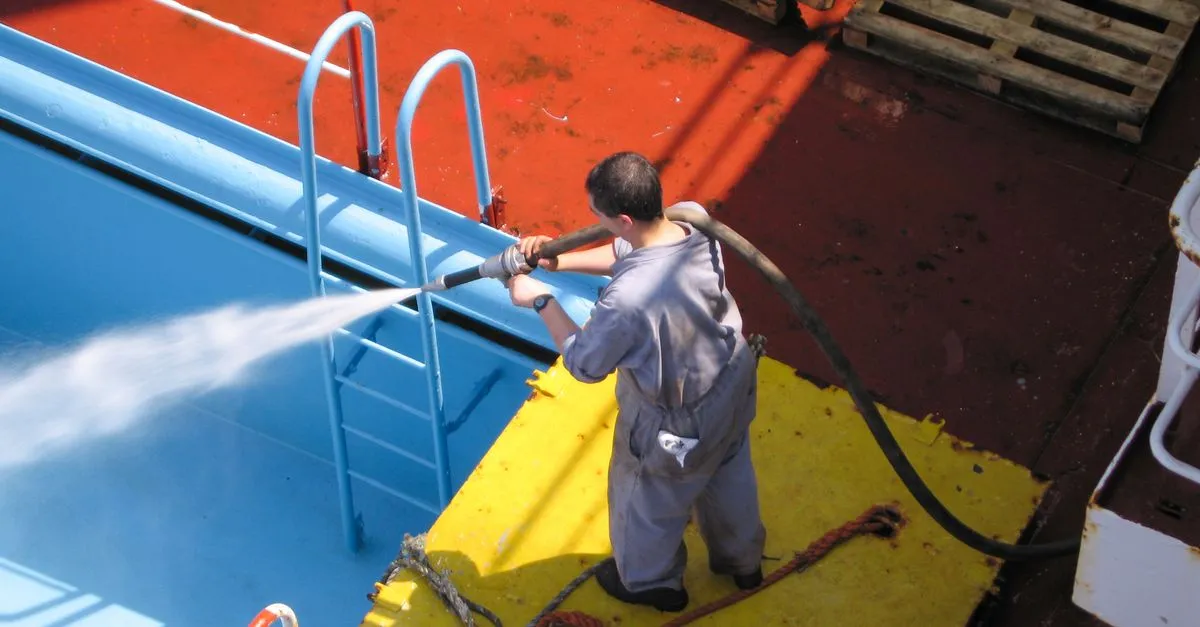
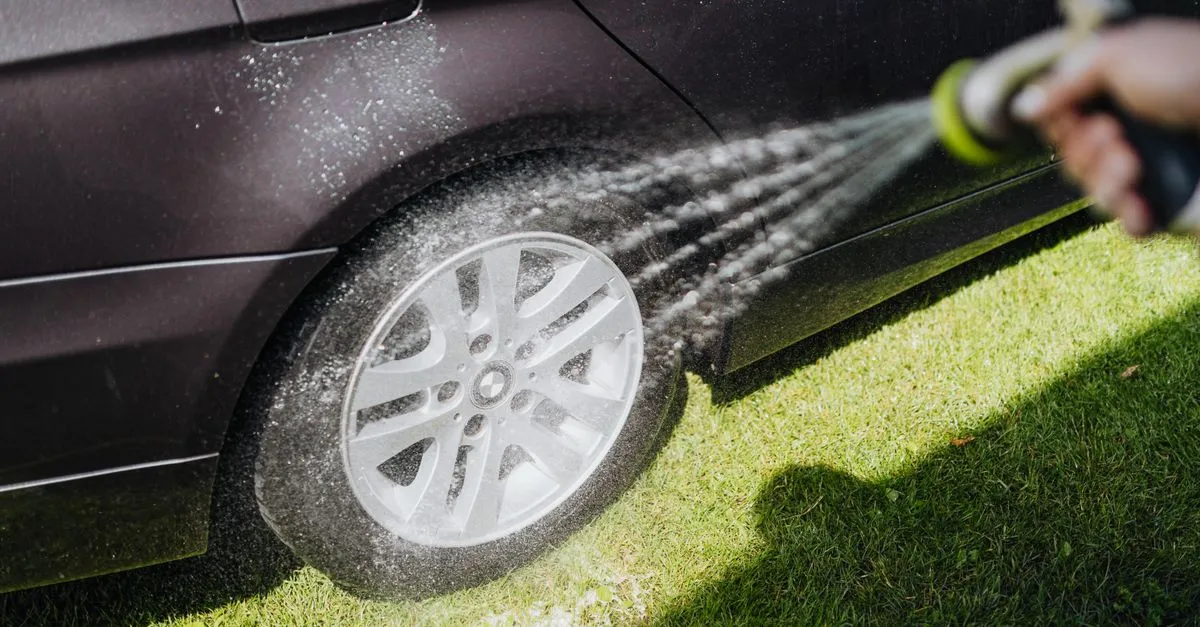
The picture in your head is a loud machine stripping a driveway. The money is in the opposite: soft washing, which means chemical at low pressure, applied from the ground, rinsed with the flow of the machine rather than its force. Gallons per minute matter more than PSI, full stop. A 4 GPM machine with moderate pressure outworks a screaming 3,000 PSI box-store 2 GPM unit on every job that pays, because flow is what carries chemical and rinse water across a surface.
The chemistry is learnable in an afternoon and disciplined for a career: house mixes run roughly 1 to 3 percent chlorine, roof mixes higher, and the safety rules are absolute, never mix chlorine with acids or ammonia, pre-rinse the landscaping, and never pressure wash asphalt shingles, which lose granules and fail early. Asphalt roofing's own trade association prescribes low-pressure chemical cleaning for algae, which tells you where the industry itself landed.
What it costs to start
The under-$1,000 lane, built with patience on used marketplaces: a used 4 GPM gas machine at $400 to $600 (ask for a pressure test before buying; the pump is the big risk), a new 100-foot garden hose at $40 to $60, pressure hose and gun at $60 to $100, a 15 to 16 inch surface cleaner at $100 to $300, a downstream injector kit at $15 to $30, and starter chemicals at $100 to $150. That is a working rig, and every piece survives your first season.
New, a starter tier runs $500 to $2,500, with an entry gas machine at $400 to $1,000, a budget surface cleaner at $100 to $300, hoses at $50 to $200, and chemicals at $100 to $300. The commercial tier, a belt-drive machine at $1,500 to $4,000, a pro surface cleaner at $400 to $800, a 12-volt soft wash system at $500 to $1,500, tanks at $300 to $900, is a graduation rig funded by revenue. Current full commercial builds run $20,000 to $50,000 and up, and one founder who later ran nine trucks started with a $300 converted boat trailer behind the family minivan.
Add general liability at about $75 to $103 a month and the vehicle you already drive. A 4 GPM gas machine weighs 110 to 150 pounds, so budget a ramp or a hitch carrier from week one.
The honest money
HomeGuide's national data puts the average pressure washing job at $173 to $311, average $211, with house washes landing at $170 to $360. Flat-rate jobs cluster at $200 to $600. Per square foot, houses run $0.15 to $0.50, driveways $0.10 to $0.40, and roofs $0.40 to $1.00. One experienced crew prices house washing near a $0.10-per-square-foot skeleton rate, targets roughly $200 an hour of work, and sells driveways at $0.15 to $0.19 per square foot, which puts a standard 1,000-square-foot driveway near $190. Those last figures are one operator's method, taught as such; the survey bands are the calibration.
Set a minimum job charge before your first quote, in writing. A nine-truck operator uses $219, on the logic that a truck roll, setup, chemicals, and drive time are the same for a tiny patio as for a full house. Solo minimums run lower, but every serious operator has one.
A first season, honestly modeled, no promises: call your blended ticket $250 once driveway add-ons mix in. Washing two houses a day, four days a week through a 26-week season, is roughly 200 jobs and $50,000 gross. Subtract insurance, fuel, chemicals, and gear replacement, and something like $29,000 to $33,000 survives as owner income before tax. Work the same season at one job a day while you learn and you land near half that. Monthly overhead is small but not zero: insurance at $75 to $103, phone and software at $30 to $80, and paid search at $600 to $1,200 a month when you start buying leads, which is a later decision, not a day-one one. The complete pressure washing course runs this model in the open, and the catalog's pricing method covers the skeleton-price system behind it.
Two ratios are your early warning system. Keep chemicals between 10 and 20 percent of the job price; when chemical cost creeps past a fifth of the ticket, your mix is too strong or your price too low. And hold for 20 to 30 percent net margin per job; when margin collapses on normal jobs, you are underpricing complexity.
First steps, in order
One: buy the used rig and learn it on your own driveway and fence.
Two: get the liability policy active before the first paid job. Uninsured washing is rolling the dice on your house and savings on every trigger pull, and the claim that ends a business arrives by letter six weeks after a job you barely remember.
Three: learn the wastewater rules for your city. Running chemical water into a storm drain can end the business in a single citation in an enforcing city. Some municipalities also require a solicitation permit for door knocking, a ten-minute check.
Four: set the minimum charge and the skeleton prices, in writing, before anyone asks.
Where the first ten customers come from
The first three are people who know your face, and you wash their houses at a real discount because your first jobs buy skill, photos, and reviews, not profit. A friend's house is where you learn that the north wall is the dirty wall, with a customer who will forgive you. Ask each of them for two things: a Google review the day you finish, and a text forward to two neighbors.
Then door knock, with the messenger frame rather than the salesman frame. The script operators train runs 22 to 28 seconds and sounds like: you are washing the Hendersons' house across the street today, the truck is already on the block, you noticed the north side of their house has the same green, and you can walk around and give a number in two minutes, no pressure. The math operators teach their salespeople keeps you knocking: if it takes 100 doors to win one $1,000 house-wash package, every door paid you $10 whether anyone opened it or not.
The first ten, counted out from the course: one or two family or close friends traded for photos and reviews, then their neighbors by text, then doors on streets you already washed, then the grand-opening post circle on your personal accounts, then drive-by quotes from people who saw the truck. Ten jobs produces your first five to eight reviews, calibrates your pricing against real customers, and surfaces your first weird job, which teaches more than any lesson can. The full checklist is in the pressure washing course, and the catalog-wide version lives in the first-ten-customers module.
Then say one sentence at every walkthrough: "If you know a neighbor who'd want this, a referral is the best compliment you can give me." Washing is annual for most houses, so your second year is your first year's customer list plus their neighbors. Healthy companies in this trade get roughly a quarter of sales from repeat customers and another quarter from referrals.
The hardest parts, named
Damage is the defining risk: water forced behind vinyl siding that surfaces as interior damage weeks later, etched concrete from a nozzle held too close, chlorine-burned landscaping. The defense is procedural, not talent: start weak and strengthen, test on a corner, follow the surface rules on every job including the fiftieth of the season when you are tired and fast. When damage happens, tell the customer the same day, photograph everything, and call your carrier; an admission plus a cash payment can void the coverage you paid for all year.
The price war is the self-inflicted one. The $99 driveway special pays less than a warehouse shift after fuel, chemicals, wear, and insurance, and it seeds a customer base that leaves for the next $89 outfit. The escape is the skeleton price system and the minimum charge.
The winter cash-out is the quiet one. A beautiful August with no off-season fund becomes a February with no money and no plan, and the seasonal fork, winter markets, year-round Sun Belt work, paired services, gets its own lesson in the course. Ladder falls are the catastrophic one, which is why ground-based soft wash methods exist: take the ladder out of the job.
Where to go deeper
The course covers the house wash, driveways and flatwork, decks and fences, roofs and gutters and danger pay, the lead engine, and a first-thirty-days plan, with every figure sourced in its public claims ledger.
Not sure exterior cleaning is the right trade for your market or your tolerance for ladders? The quiz matches your situation against every business in the catalog.
Requirements vary by state and change; verify with your state's regulator and a qualified professional.