One Order, Start to Finish
Lesson video in production
The full lesson text below is complete — the video version lands with launch.
The loop, in order
Every order is the same eight steps, and the sooner they feel like a checklist instead of a series of decisions, the more orders you can run without quality slipping. This is the loop your reviews are made of.
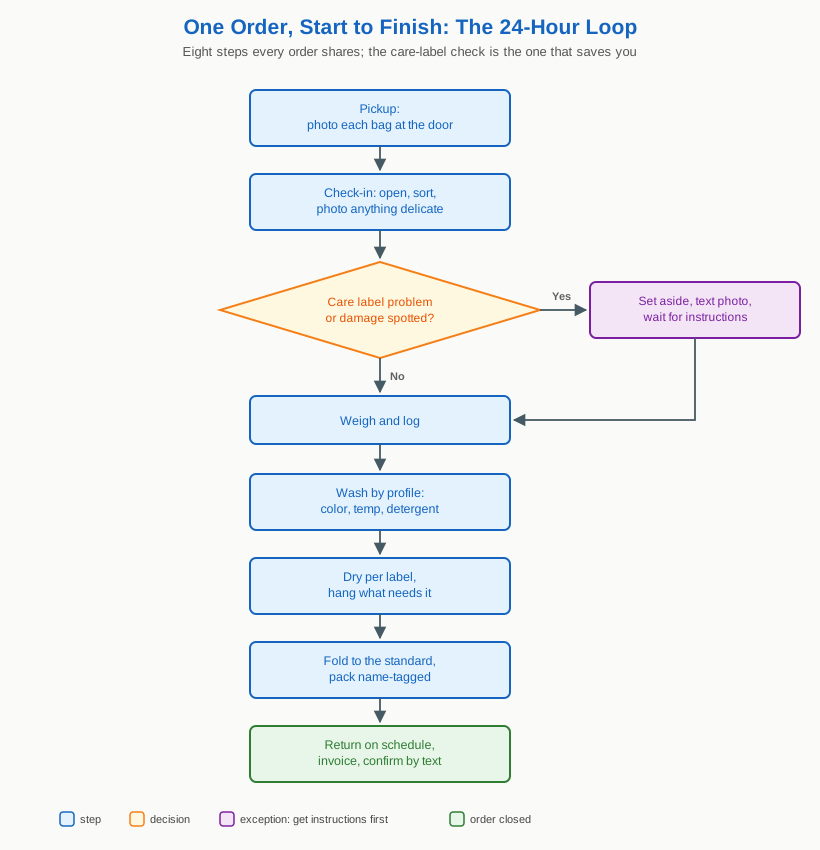
The step people skip is the one that saves them: the care-label decision at check-in. An item that can't take heat, a comforter too large for your drum, a garment with existing damage: each gets the same treatment, set aside, photographed, one text, instructions confirmed. Thirty seconds of friction at check-in prevents the fifty-dollar claim and the two-star review at return.
Check-in and the honest scale
Weighing is where trust gets won or lost, so make it boring and visible. The workable standard: weigh at check-in, on your own scale, with the customer's knowledge that weight is taken before washing, and state the weight in the confirmation text that night. "Picked up, 26 pounds, back tomorrow by 7." Customers rarely dispute a number they received before the invoice, and the ones who do are comparing against a bathroom scale, which is a conversation, not a conflict. Never round up. A route's reputation for honest pounds travels faster than its flyers.
A preference sheet goes with every signup: detergent (default unscented), fabric softener yes or no, water temperature preference, hang-dry list, any item they consider special. Most customers will say "just wash everything," and the sheet is mainly there to trigger the exceptions conversation. That one page prevents most of the damage scenarios in this industry before they occur.
Wash profiles and the fold
Run every household as a named profile so their settings never live in your memory. A profile is three lines: temperature by color, detergent and amount, dry and hang rules. When the third bag from the same house looks different from the first two, the profile is what tells you that's the customer's new comforter, not a sorting error.
Then the fold, which is the product. Your standard from the kit lesson applies to every bag without exception: uniform standing folds, socks paired, delicates on top, and the packed bag presenting clean the moment it opens. There will be nights this feels like assembly-line work, because it is. The operators who last treat the fold as the brand: anybody can return clothes washed, and almost nobody returns clothes that look like a store shelf. That difference is the entire retention mechanism of a laundry route, and it costs you nothing but attention.
The return, the invoice, and the day something goes wrong
Returns are choreographed like pickups: a text when you're three stops away or a scheduled morning drop at the agreed spot, and the packed bag placed where the customer specified, clean side up. Invoice in the same message as the delivery confirmation, weight and price matching the night-of text exactly, card on file charged the same evening. Cash flow that clears in a day is a real competitive advantage of this business; don't lend it away by invoicing weekly like a contractor.
And the damage protocol, written before you need it: when something goes wrong, you say so first. Text the photo, name the cause plainly, propose the remedy under your published liability cap from Legal and Insurance, and do it the same day you found the problem. A shrunk shirt handled like this becomes a customer who tells the story; the same shirt discovered by the customer becomes the review that ends the route's growth for a quarter. Service businesses live on recovered failures more than flawless ones.
You now have the whole machine in pieces. Assembled into a real week, the pieces stop feeling like procedures and start feeling like a job you can actually picture yourself running.
Downloads for this lesson
Keep going — you're working through Start a Laundry Pickup and Delivery Service.
All courses are free ↗