The first seven days
Lesson video in production
The full lesson text below is complete — the video version lands with launch.
The calendar you had this morning is gone. That is the first real fact of a layoff, and it is more practical than emotional: several clocks started running the moment the meeting ended, and every one of them is easier to handle on day one than on day twenty. This first section of the guide is about counting what you have. Before you decide anything about jobs or businesses, you are going to find out what you actually have. That starts with not missing a deadline.
I want to be direct about the frame, because week one is when people make expensive mistakes out of either shame or speed. Filing for unemployment is not a moral event. It is insurance you and your employers paid into, by law, for exactly this week. Negotiating severance is not greedy. It is a negotiation the company already budgeted for. Take the feelings seriously, and take the paperwork more seriously.
The three clocks
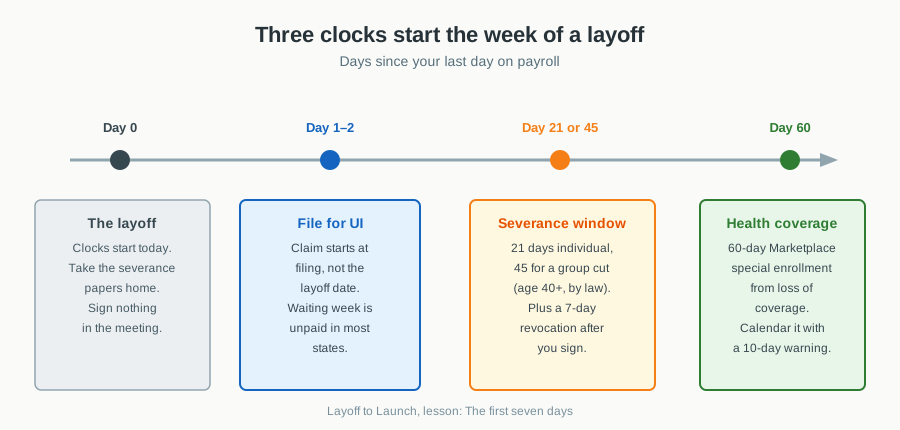
File for unemployment insurance immediately. Not when your severance paperwork resolves, not after a week of processing the news. Most states start your claim from when you file, not from when you were laid off, and backdating is a request that can be denied. Many states also hold back an unpaid waiting week. Operators who have been through this consistently give the same advice: be ready to file the day after your last day on payroll, because even a clean claim can take weeks to pay out. You will need your employer's legal name and address, dates of employment, and recent pay figures, so pull those together tonight if you can.
Do not sign the severance agreement in the meeting. If you are forty or older and this is an individual termination, federal law gives you at least twenty-one days to consider it. If you were cut as part of a group, you get forty-five days, plus a disclosure listing the ages and job titles of everyone selected and everyone retained. After you sign, you keep a seven-day revocation window during which you can change your mind. If you are under forty, no statute sets your window, which means the deadline in the letter is the company's choice and negotiating it is fair game. Either way, the agreement sitting in front of you is the opening position of a negotiation, not a take-it-or-leave-it verdict.
Health coverage has a sixty-day door. Losing job-based coverage gives you sixty days to pick a Marketplace plan through a special enrollment period. Your COBRA paperwork may arrive late and its own deadlines run separately. You do not have to choose a path this week, and the health coverage decision, walked with current numbers, is its own topic with its own guide. You do have to calendar it now, with a real date, because the one unforgivable version of this story is discovering the door closed three weeks ago.
The other first-week moves
A few quiet items matter more than they look like they do.
Get your reference in writing while goodwill is fresh. A short message to your manager, ideally before their own last day if they were cut too, asking whether they would serve as a reference and whether they would confirm that in writing. Managers expect this. Layoffs are mass events and memories reshuffle fast.
Tell your household tonight. Not the full financial briefing; the honest one. "We are going to count what we have this week and I will show you the number." The number arrives in a few days, and it lands far better when it is not also the moment they first learn there is a situation. Partners who are brought in early become allies in the spending decisions later. Partners who are surprised become auditors.
Watch for your final paycheck. Unused vacation payout rules vary by state; some states require it, some let employers keep it. Check that the deposit matches what your state entitles you to, and ask HR in writing if it does not.
Then stop. That is the discipline of week one: no big moves. No draining retirement accounts, no selling the car, no signing up for a coaching program, no incorporating a business, no booking a Disney trip to clear your head. None of those are automatically wrong. All of them are wrong in week one, because you do not yet have the number that would let you judge them. Seven days of deliberateness costs you nothing you cannot recover.
Who shows up when you're down
This is not cynicism; it is scheduling. The scam question gets its own treatment later in the guide, because by then you will be harder to hustle.
Your seven-day checklist
The first seven days
Week one ends with deadlines caught and dignity intact. The biggest lever in the whole week is that severance agreement sitting on your counter. Treat it like the opening position it is.
Downloads for this lesson
Keep going — you're working through Layoff to Launch.
All courses are free ↗