The stack blueprint: one engine, many surfaces
Lesson video in production
The full lesson text below is complete — the video version lands with launch.
Most people hear "creator" and picture a person chasing followers. That is the wrong picture, and it is the reason most attempts fail. What you are building is an asset: one repeatable way to reach a specific group of people, and several ways to get paid by that same group. The followers are not the business. The relationship is.
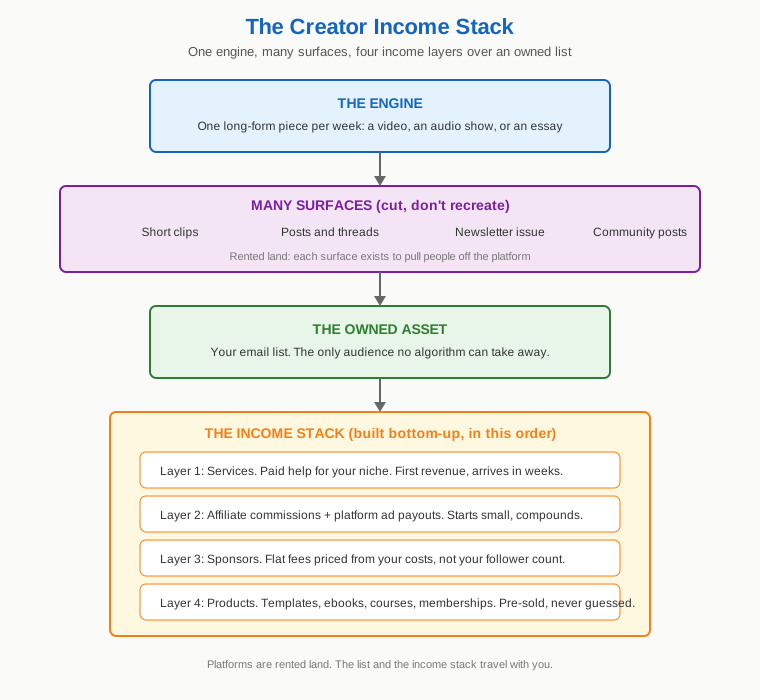
The engine comes first
Pick one long-form format you can sustain: a weekly video, a weekly audio show, or a weekly written essay. That single piece is the engine. You make it as well as you can make it, once a week, on a schedule you never break. Everything else on the internet is a cut-down of that piece. And when one format becomes the whole business, the catalog carries the deep lanes. Video has the deep YouTube lane. The written engine's depth course is the paid newsletter lane.
This runs against the instinct to be everywhere at once. Operators who have built durable audiences say the opposite of that instinct: concentrate on one platform and one format until it works, then repurpose outward. Growing happens through concentration, not through spreading yourself across six apps in week one.
Surfaces are cuts, not new jobs
From the engine piece you cut surfaces: short clips, a post or thread of the key argument, the newsletter version, a community teaser. The surfaces exist for one reason. They pull strangers off the rented land and onto your list. Each platform pays you in attention, and you convert a slice of that attention into an email address, which is the only follower count that belongs to you.
You will meet the platform payout systems along the way, and they are a real income layer. Just hold the proportions in your head: ad payouts from the platforms are the smallest and least stable money in this business, and sponsors, services, and your own products are where the weight sits. Creators posting real breakdowns on Reddit consistently show sponsorships dwarfing ad revenue, with affiliate income a small slice on the side.
The four layers
The stack, built from the bottom:
| Layer | What it is | When it arrives | |---|---|---| | 1. Services | Paid help for the niche you serve: consulting, done-for-you work, coaching calls | Weeks. It does not wait for an audience | | 2. Affiliate + platform payouts | Commissions on tools you already use and recommend; ad revenue share once thresholds are met | Months, and it starts tiny | | 3. Sponsors | Flat-fee brand integrations priced from your costs and your niche's value | Once you have steady views and a niche brands want | | 4. Products | Templates, ebooks, courses, memberships sold to your own list | After you know what the audience keeps asking for |
The order matters. Services first because a person with 300 followers and a real skill can invoice this month. Products last because building one before you understand the audience is the most expensive way to learn what they want.
What this costs to start
Not much, which is the honest appeal of this business. The consensus among working creators is that your current phone shoots good enough video, and the first money should go to audio: a cheap lavalier microphone, then a light, and never a camera first. Software at the start is free tiers all the way down: a newsletter platform that costs nothing until your list grows, a free editing tool, a free page builder. The real investment is twelve to eighteen months of weekly output before the money gets serious.
The next question is whether you should build this at all, and it deserves a hard look before you spend a weekend on a logo.
Keep going — you're working through The Creator Income Stack.
All courses are free ↗