Hosting, RSS, and the Rules
Lesson video in production
The full lesson text below is complete — the video version lands with launch.
Podcasting has a strange superpower: there is no gatekeeper. You do not upload episodes to Apple or Spotify directly. You publish to a feed you control, and every listening app in the world reads that feed on its own schedule. Understand that pipeline once and the whole industry stops being mysterious.
The pipeline: host to feed to apps
A podcast host is a service that stores your audio files, holds your show's information (title, artwork, description, episode list), and generates your RSS feed, a constantly updated text file that describes every episode. The directories, Apple Podcasts, Spotify, and dozens of smaller apps, do not store your show. They read your feed and point listeners at your files. You submit the feed once; after that, every episode you publish to your host appears in every app automatically.
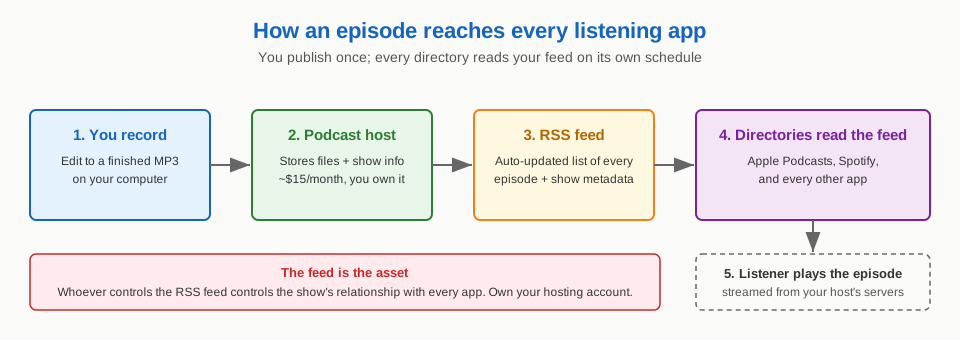
That architecture is why you never upload directly to apps, and why moving hosts later means redirecting your feed rather than rebuilding your audience. It is also why you should own your hosting account rather than letting a producer or agency own it: the feed is the asset, and whoever controls the feed controls the show's relationship with every directory.
Choosing a host and paying for it
The major podcast hosts converge on the same shape: a monthly subscription for upload hours plus automatic distribution to directories, free tier included. A representative price point is Buzzsprout at fifteen dollars a month for audio on annual billing, with a free tier of two upload hours per month where episodes expire after ninety days (Buzzsprout pricing). Comparable hosts price within a few dollars of that line. For a biweekly thirty-to-forty-minute show, even the free tier can technically carry you, but the 90-day expiry makes it a trap for a show you intend to keep alive: pay the fifteen dollars and stop thinking about it.
Submit to Apple Podcasts through Apple Podcasts Connect (their free creator dashboard) by pasting your RSS feed and validating it. Apple reviews every new show before listing it (their submit-a-show guidance), publishes no timeline for that review, and community reports put the wait at a day or two, occasionally longer, so do this days before launch week, not the morning of. Spotify takes your feed through its creator dashboard, and its distribution guidance says most platforms publish a new show within a few hours, with new episodes appearing everywhere within a day (Spotify's distribution article). Every other directory is optional on day one; Apple and Spotify carry the overwhelming majority of listening, and you can add the long tail whenever you feel like it.
The rules nobody tells you about until it is expensive
Music licensing. You cannot use commercial songs in your episodes. Not thirty seconds, not as a joke, not "nobody will notice." A song license for podcast use must be cleared with the rights holder, and clearance is slow and costly. Use royalty-free music from a paid library or explicit podcast-safe sources for your intro, and keep the license receipt. This is the single most common way an otherwise careful new show gets episodes pulled or demonetized.
Guest consent. Get a simple one-paragraph release from every guest: they consent to the recording being published and promoted, in exchange for nothing of enforceable value, and they can mention their business. A reply email saying "sounds good, record me" is weak consent. A release template you paste into your booking email is strong consent, and it takes one minute.
The business entity. Start as a sole proprietor: no filing, no fee, income reported on your personal return. Form an LLC when there is something to protect, which for most shows arrives with sponsor contracts or a paid community, not before. Keep a separate checking account for show income and expenses from the first dollar regardless; the clean ledger matters more than the entity at this stage. The larger launch-stage money decisions, runway math and the decision to start, live in the catalog's transition guide.
Distribution built, paperwork settled. Everything so far has been infrastructure for the week your show meets the world, and that week matters disproportionately.
Keep going — you're working through Start a Podcast.
All courses are free ↗