The Cash-Conversion Cycle
Lesson video in production
The full lesson text below is complete — the video version lands with launch.
Most courses teach product research first. That is a mistake, because product research without the cash clock produces confident decisions that bankrupt people. Here is the clock.
The journey of one dollar
Say you commit two thousand dollars to your first order. Watch where it goes and when it comes back.
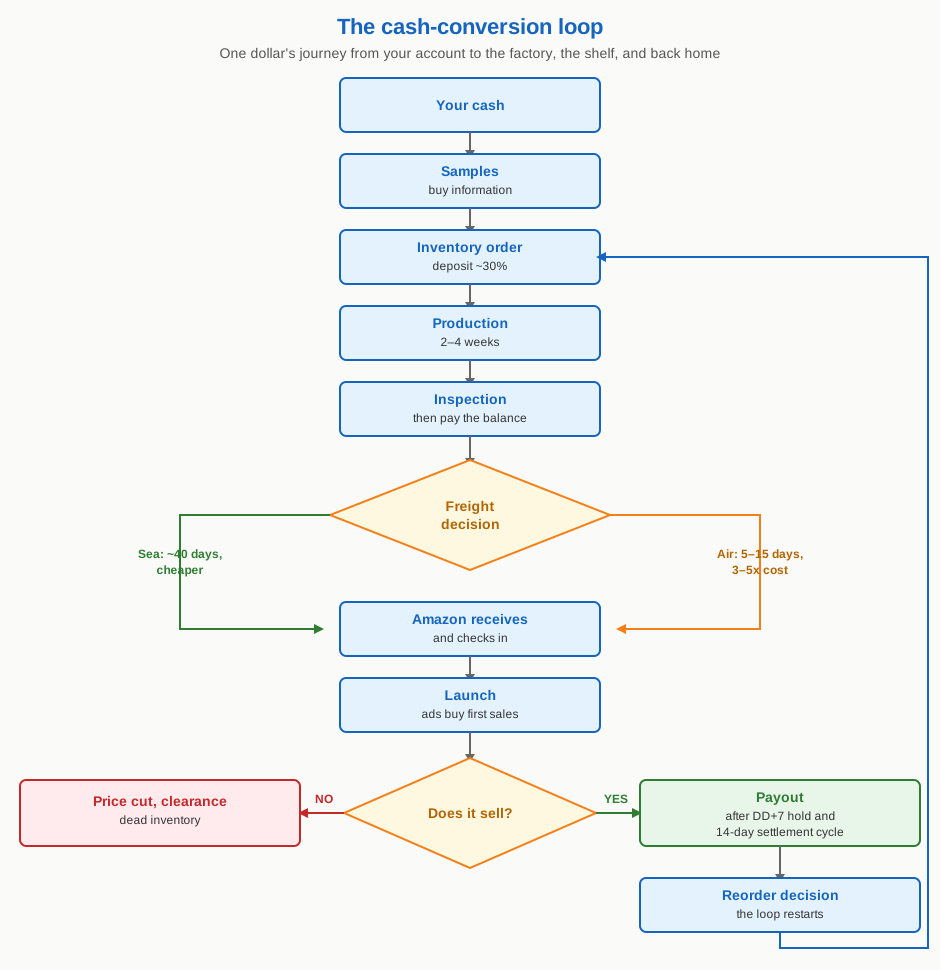
Weeks one and two: samples. You order samples from three or four factories, express shipped, and test them at your kitchen table. Modest money, often fifty to one hundred dollars per sample once express shipping is counted, so a few hundred dollars across a shortlist, spent entirely on information.
Weeks three through six or so: production. You place the order, typically paying a deposit of around thirty percent up front, with the balance due after an inspection passes. The factory needs two to six weeks to make your units, and custom private-label work trends toward the long end. Your cash is now a purchase order in a spreadsheet.
Weeks six through sixteen: freight. Your finished goods travel. Air freight door to door runs five to fifteen days; ocean freight runs about forty. Air costs three to five times what sea costs, which is why the budget answer and the patience answer are usually the same: go by sea and wait.
Receiving and check-in. Amazon's fulfillment centers take days to a couple of weeks to receive, scan, and shelve your inventory. Only now does your listing go live with stock behind it.
Launch. You spend on ads to generate the first sales that teach Amazon's algorithm your product deserves to rank. Weeks, not days.
Payout. When units sell, the money does not arrive instantly. Amazon disburses on a fourteen-day settlement cycle by default, and since March 2026 it holds funds seven days after confirmed delivery under its DD+7 policy before they become available. Eligible sellers can request disbursements more often, but plan on the standard cadence.
Why this loop is the spine
Count the days from placing your order to money back in your account. Production plus ocean freight plus receiving plus a launch month plus the payout hold: two to three months is normal, and the first loop is usually longer because everything is new. Your dollar leaves in week three and returns, if the product works, sometime around month three or four. If it works well, it returns with a second dollar, and you send both back into the factory.
That is the cash-conversion cycle: cash becomes inventory becomes sales becomes more cash, on a loop measured in months. Every load-bearing decision in this course is really a decision about that loop. Order size is a bet on how much cash you can park, and runway math is how you decide what parkable cash you actually have. Air versus sea is cash velocity versus cash cost. Price is how fast the loop spins. Storage fees, which you will meet later in the course, are rent on cash that stopped moving.
How operators handle it
Two habits, both cheap. First, never put your last dollar into an order; keep a reserve, because the loop punishes exact-budget plans. Second, while freight is on the water you have dead time, and dead time is free work time: build the listing, set up the account properly, write the ad campaigns. The sellers who look calm during the waiting weeks are the ones who front-loaded the paperwork.
This clock now needs real numbers on it before you fall in love with any product, and the course puts them there next.
Keep going — you're working through Sell on Amazon FBA: Private Label.
All courses are free ↗